
A congenital foot anomaly in which the foot is turned inward, the heel is raised and the toes point downward is called "clubfoot deformity", medically "Clubfoot" or "Pes Equinovarus (PEV)". It is one of the most common congenital deformities of the foot, seen in about 1 in every 1000 births. In half of the cases both feet are affected. Boys are at greater risk than girls. Although the exact cause is unknown, a combination of genetic and environmental factors is held responsible.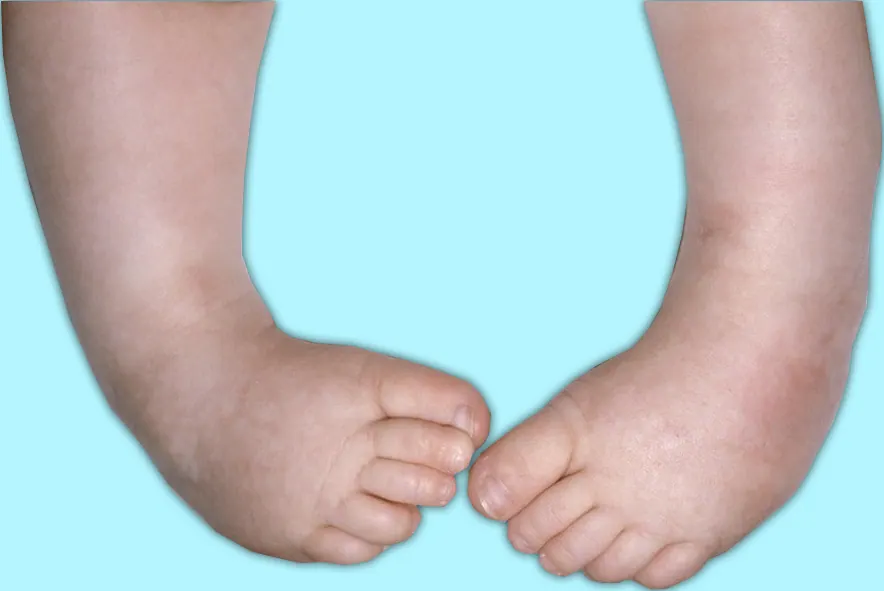
Clubfoot can be corrected with early treatment!
Treatment of clubfoot should begin as soon as possible after birth. Clubfoot can be treated without surgery in the early period; if treatment is delayed, bone deformities develop and open surgery becomes unavoidable.
The clubfoot is gradually corrected with a special manipulation called the Ponseti technique and placed in a cast. The collagen in the shortened soft tissues being stretched gradually unfolds like an accordion and lengthens, allowing the foot to be corrected a little more with the next cast. In this way the cast is changed once a week, for a total of 6–9 casts depending on severity.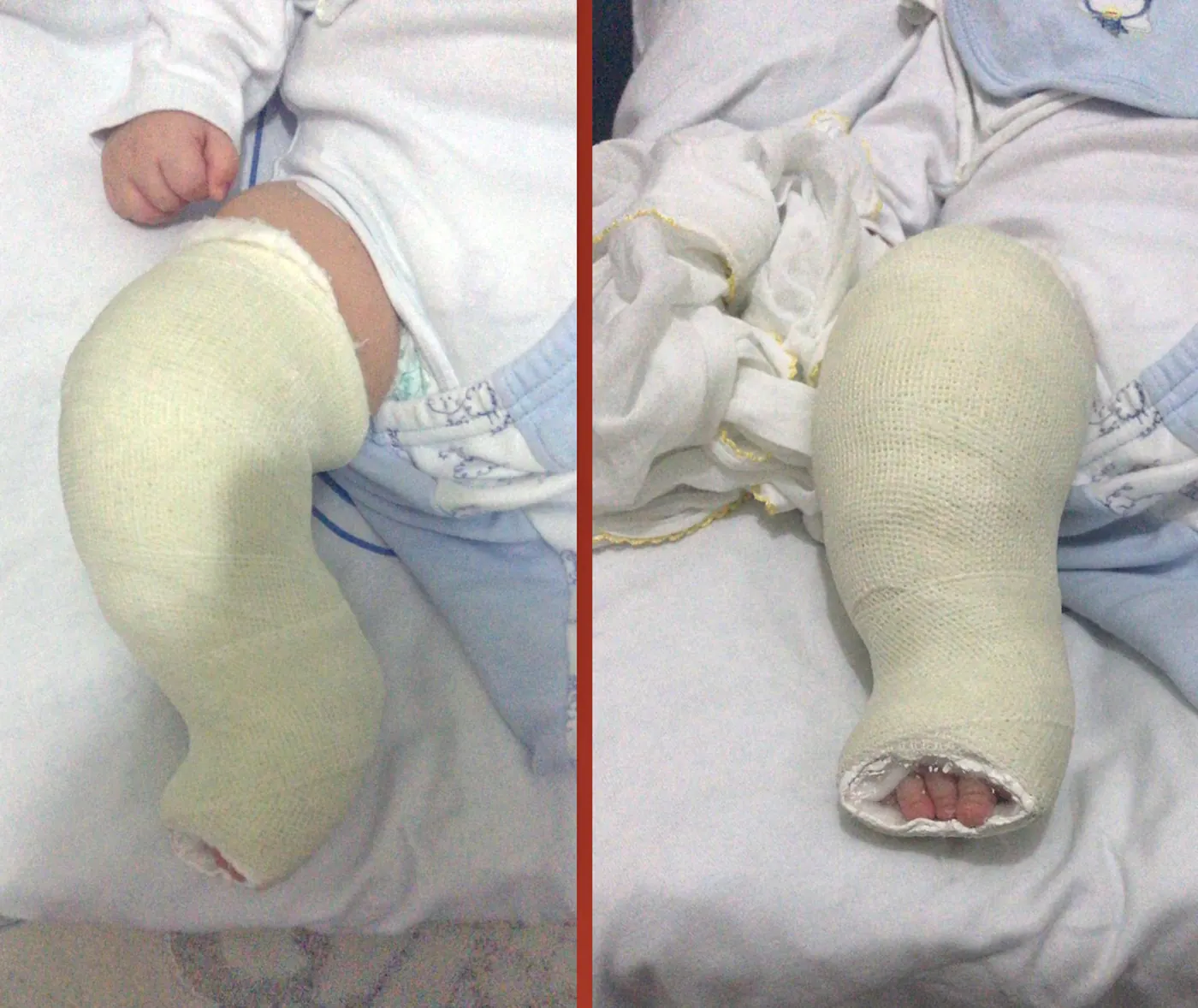
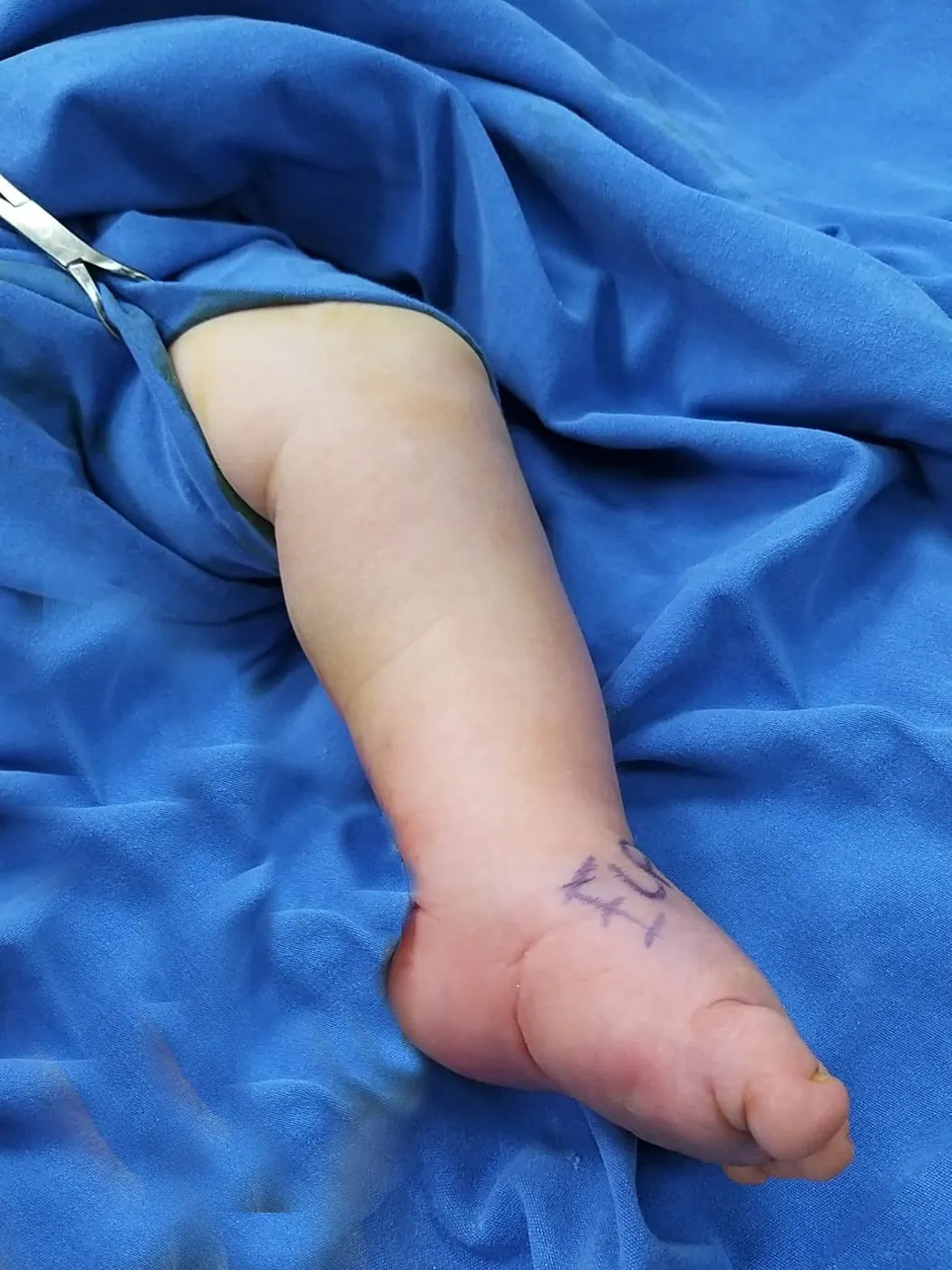
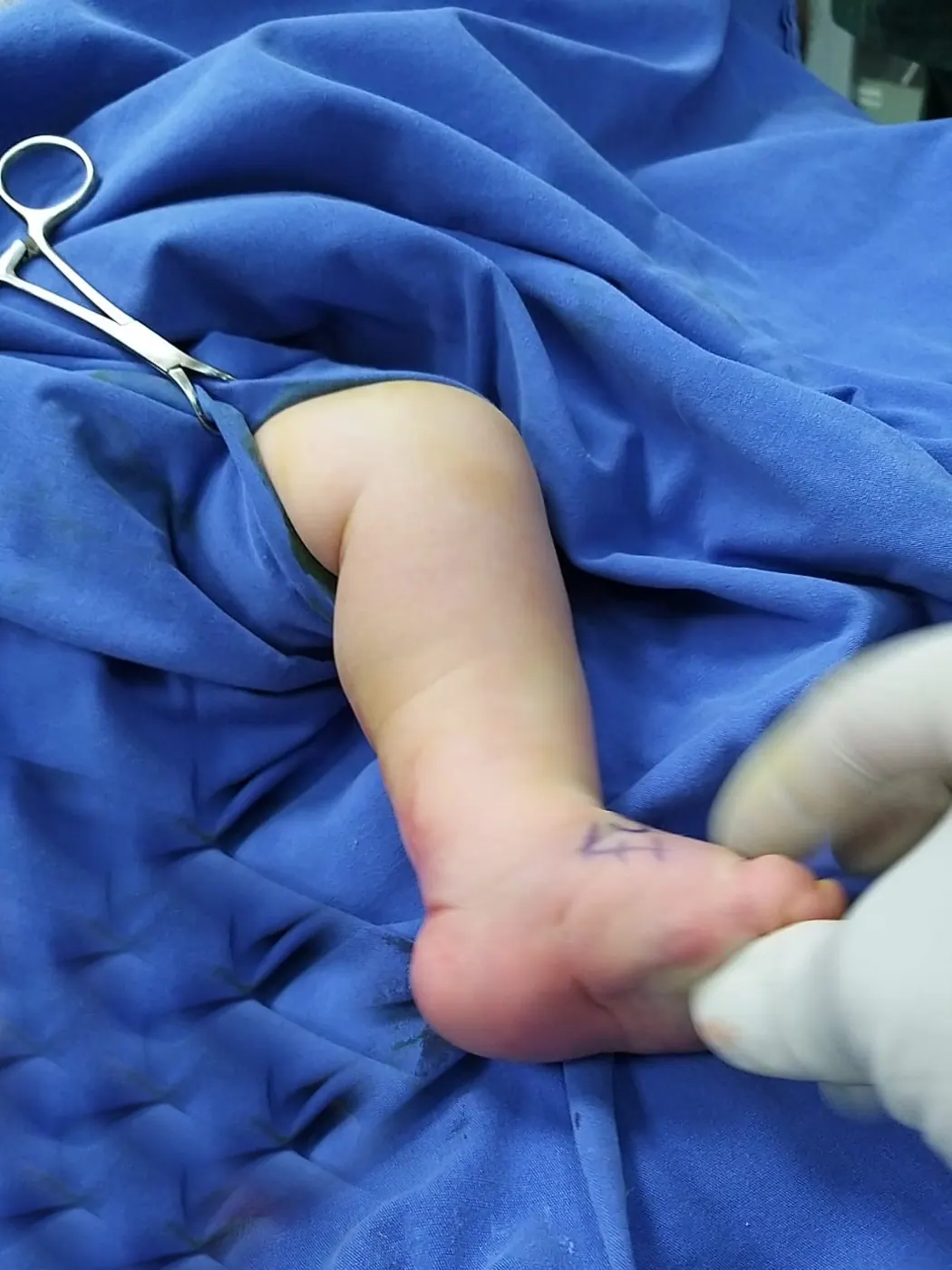 If the heel has not come down to the level of the sole by the end of the 4th week, the Achilles tendon, which prevents the heel from reaching its normal position, is cut surgically under anaesthesia (Achillotomy). This is needed in the great majority of cases, about 85–90%. A final cast is applied for 4 weeks afterwards, during which the cut Achilles tendon grows again at the desired length. After the cast is removed following percutaneous Achillotomy, or in feet corrected without surgery, the child is fitted with a special orthosis called the Ponseti clubfoot brace. The brace is worn 24 hours a day for the first 3 months, then gradually reduced to night-time only. It must be used until the age of 4 in total. This is the most important part of the treatment: if the parents do not use the brace, the foot tends to return to its former shape. Relapses within the first year are treated again with casting; relapses at older ages require tendon transfer surgery.
Success of treatment
With early treatment the great majority of clubfeet can be corrected within the first year of childhood. The affected foot only remains 0.5–1.5 shoe sizes smaller than the other, and the calf on the same side may remain thinner and slightly shorter. If treated well, children born with clubfoot can have an almost completely normal foot. They live normal lives, have no problems walking or running and do not need special shoes.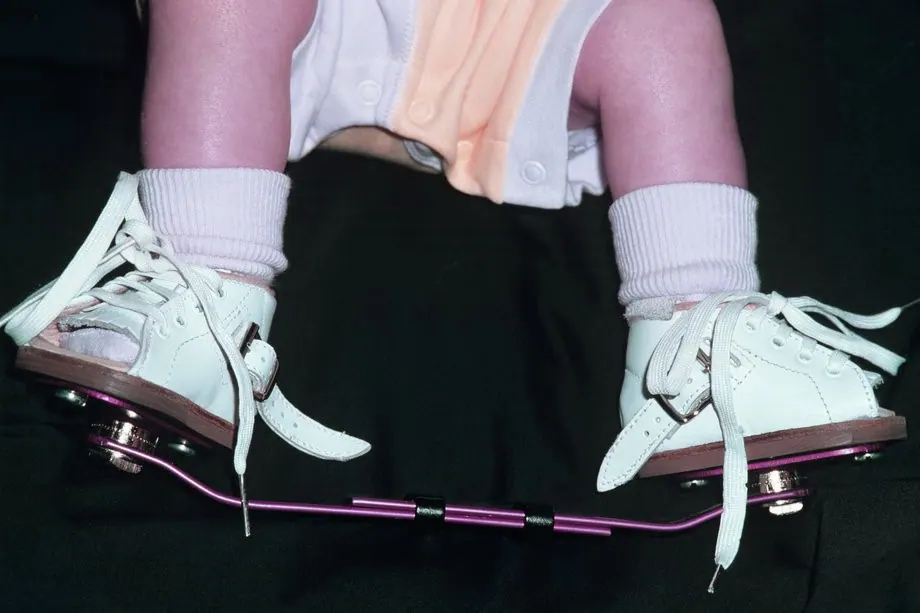
The information on this page is for general information only and does not replace an examination and diagnosis.