
"Diabetic foot" is the name given to the foot problems that develop in people with diabetes. Diabetes is a chronic disease in which blood sugar stays high because of a lack of the hormone insulin or a disturbance in its effect. It most often causes problems in the eyes, kidneys, heart and blood vessels, and feet. At the root of diabetic foot is damage to the peripheral nerves (peripheral neuropathy), which develops more and earlier in poorly controlled diabetes. Because of damage to the sensory nerves, people with diabetes cannot feel the pain of injuries to their feet. And because of their susceptibility to infection, small wounds on the foot easily become infected. Diabetes also impairs circulation, especially in the small and medium-sized vessels, which is an important factor making wounds hard to heal.
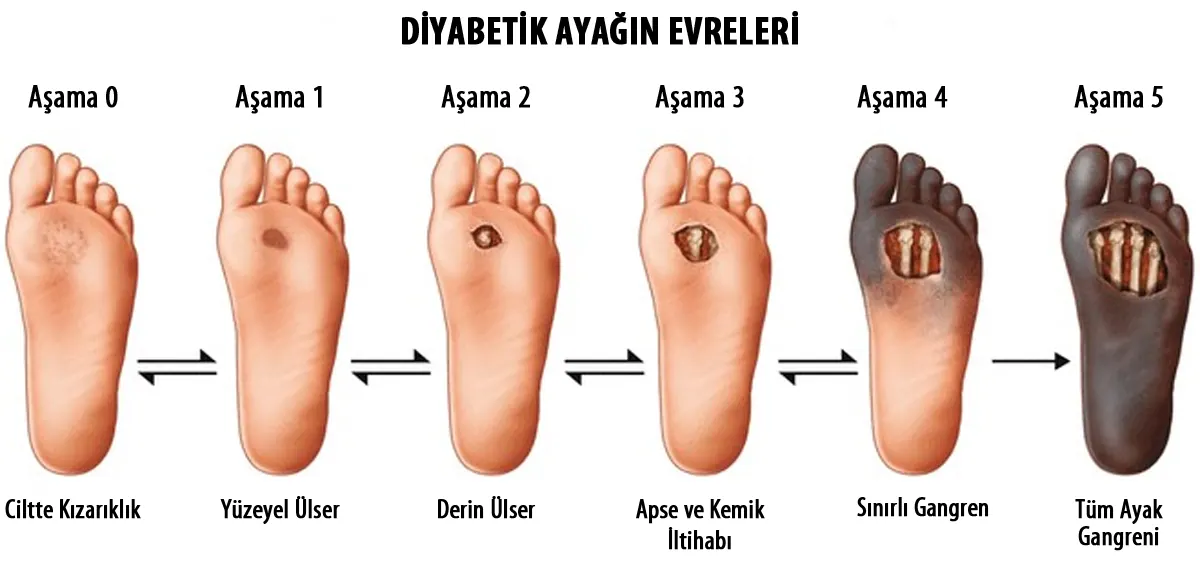
Who is at greater risk of diabetic foot problems?
One in every 7 people with diabetes develops a foot ulcer at some point in life. Even when well treated, these ulcers can unfortunately lead to amputation. With good care these outcomes can largely be avoided. Those at greater risk include:
- People with persistently high blood sugar
- People who have had a foot ulcer before
- People with loss of sensation in the feet
- People with diabetes-related kidney damage
- People with impaired or lost vision
- People with blocked blood vessels
- People with reduced ankle mobility
- People with foot deformities
- People with dry, cracked skin on the feet
- People with inadequate foot care
- People who do not pay attention to foot hygiene
- Smokers
- Obese people
- People aged 65 and over
- People with fungal infections of the foot and nails
- People who wear the wrong shoes or walk barefoot
How should people with diabetes care for their feet?
Although there is no treatment that completely eliminates diabetes, it is possible to prevent or at least delay the problems it causes. The best way to protect against diabetic foot is therefore to keep diabetes under control and take protective measures for the feet.
The feet of a person with diabetes should be checked every day – not superficially but in detail: under and between the toes, the sole and the heel, not just the easily visible top of the foot. Another person or mirrors should be used for this. Look for redness, swelling, colour changes, pressure marks, peeling, blisters and whitening between the toes. If any of these is seen, it should not be neglected; see a doctor immediately.
In addition:
- People with diabetes should never walk barefoot (including at home).
- Patients often complain that their feet are always cold. This is not because the room is cold but because of loss of sensation. Putting the feet near hot-water bottles, hot bricks, radiators or heaters is very dangerous and wrong, as deep burns can occur. People with diabetes must avoid warming their feet this way. Before bathing, the water temperature should be set in advance and checked by hand – or better, by a relative.
- Calluses develop at pressure points on the feet. Regular use of a protective cream is the best way to prevent them. The patient or relatives should not cut calluses with nail scissors or razor blades, file them with a pumice stone or use corn remedies.
- The feet should be washed every evening with warm soapy water and dried with a soft cloth. Soaking them for long periods is extremely dangerous. A white towel makes it easier to notice bleeding or infection. It is extremely important that the spaces between the toes are dry; dry each one gently.
- After washing, use a softening, moisturising foot cream to prevent drying, cracking and calluses.
- Toenails must be cut carefully – preferably by a relative, not too short, and straight across. Avoid cutting the corners. The nail scissors should belong to the patient only; others should not use them and the patient should not use others' tools. A person with diabetes should never have a pedicure.
- Choice of shoes is very important. Check whether the foot is comfortable and whether the shoe squeezes or rubs. The ideal shoe is made of soft, good-quality leather without prominent internal seams, with a rubber sole, a rounded toe and good ventilation. Lace-up shoes are best, as they are easy to put on and take off and fit comfortably. Do not wear the same shoes all the time; ideally have two pairs and alternate them every other day.
- People with diabetes should always wear socks; wearing shoes without socks is extremely dangerous. Nylon socks make the feet sweat and encourage fungus. Wool or highly absorbent pure cotton socks are the best choice. Change socks every day and wear clean, dry socks. The sock elastic should not squeeze the ankle, as this impairs circulation; if it leaves a deep mark on the ankle, it is not suitable.
Diagnosis of diabetic foot
Unfortunately, diabetic foot is often diagnosed only when an ulcer has already formed. Early diagnosis is very important so that preventive and therapeutic measures can be taken. For this, while people with diabetes are regularly followed for eye, heart and kidney disease, examination of foot sensation and blood vessels should not be overlooked.
Treatment of diabetic foot
Internal medicine or endocrinology, dermatology, cardiovascular surgery, plastic surgery, orthopaedics and physical therapy are all involved in diabetic foot care. Although they are different disciplines, they should work together.
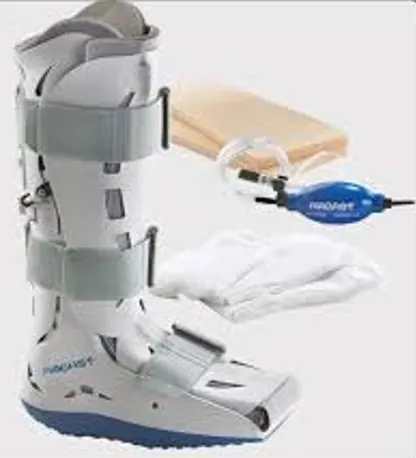
When there is infection, the "dead tissue" in the wound must first be removed surgically – surgical debridement – and then appropriate antibiotic treatment is started. Diet and insulin treatment should be arranged to keep blood sugar normal. For early skin lesions and small wounds, because weight-bearing delays healing, orthopaedic measures such as splints, casts and orthoses are used to offload the foot. Cell-based treatments show significant potential: they affect diabetic wound healing and can be used in chronic or acute wounds. Many clinical studies around the world are also continuing on cell-based treatments using the patient's own stem cells for diabetes.
Negative pressure wound therapy (VAC) seals the wound sterilely and applies continuous or intermittent negative pressure to it. It provides effective, continuous debridement and increases local blood flow, so VAC therapy plays an important role in treating deep, hard-to-heal wounds such as diabetic foot ulcers.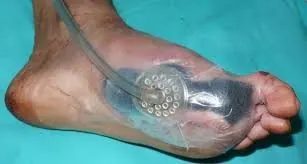
 In addition, more than half of patients with diabetic foot have blocked leg arteries. This reduces blood flow to the wound and prevents healing. Some of these blockages can be opened with appropriate methods by cardiovascular surgery.
Hyperbaric oxygen (HBO) therapy is one of the supportive treatments for diabetic foot ulcers. By breathing oxygen at high pressure, more oxygen reaches tissue that is poorly supplied because of blocked vessels. This restores the impaired function of the immune cells that kill bacteria, increases the activity of the cells that heal wounds and so speeds up healing.
When is amputation needed for diabetic foot?
It should be remembered that foot ulcers are the most common reason for people with diabetes to be admitted to hospital, and their treatment takes weeks or even months. Amputation is a measure used when all treatments have failed and the condition progresses day by day to gangrene or life-threatening infection.
The information on this page is for general information only and does not replace an examination and diagnosis.