
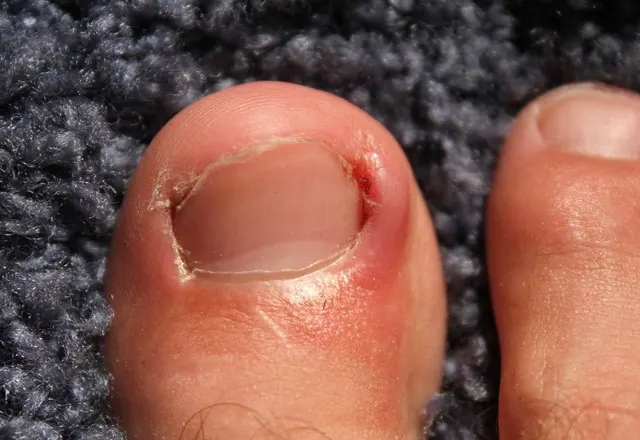
 An ingrown toenail is a common problem in which the corner or edge of the nail grows into the soft flesh. As the nail grows it tends to dig into the skin on one or both sides, and the resulting inflammation makes the tissue at the edge of the nail grow over the nail. It is most common in the big toe and causes pain, redness and swelling. It makes daily activities such as wearing shoes and walking difficult. If untreated, the infection can spread to the bone (osteomyelitis) and even cause systemic infection. In people with diabetes in particular, such infections can lead to loss of the toe or, if treatment is delayed, even the foot.
What causes an ingrown toenail?
An imbalance between the size of the nail and the width of the nail bed is an important cause.
The most common cause is cutting toenails incorrectly. Toenails should be cut straight across and the corners should not be removed; when they are, the nail grows into the flesh.
Other causes can be listed as follows:
1- Inherited nail problems, an imbalance between nail size and nail bed width, naturally curved toenails
2- Unsuitable footwear: wearing narrow, pointed shoes and tight socks that squeeze the nails
3- Injury to the toenail or blows to it
4- Fungal infection of the nails
5- Improperly performed manicures and pedicures
What are the symptoms?
The most common symptom is pain, on one or both sides of the nail, which increases when touched. If an ingrown nail is not treated, signs of infection are added over time: swelling, redness, warmth and discharge.
What should we do to avoid ingrown toenails?
Cut toenails straight, not too short, and file them gently to remove sharp edges. Pay attention to footwear and avoid shoes with a narrow toe and high heel. Keeping the feet from staying damp and preventing small cracks from drying and crusting at the tips of the toes is important to avoid fungus.
How is an ingrown toenail treated?
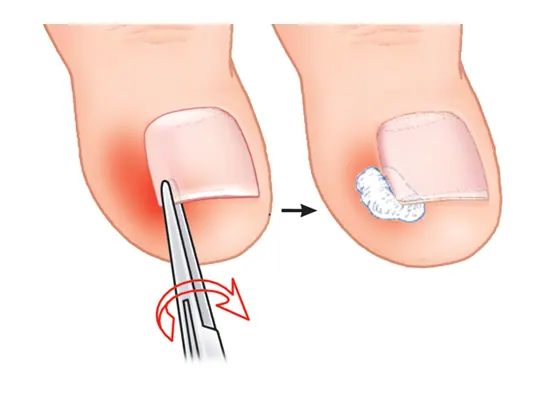
It is important to start treatment without delay to prevent infection. In mild cases, simple home treatments before infection develops may be enough at first: after soaking the foot in warm water with an antiseptic, placing a small piece of cotton under the ingrown nail and changing it daily can be curative. This creates a buffer between nail and skin so the nail grows out without digging into the flesh. Anti-inflammatory painkillers are also used. In people with curved nails, a nail brace (wire) can be fitted to force the nail to flatten; the brace is changed at intervals. If the problem persists despite these methods, if the toe is very swollen and painful, if there is severe tenderness, warmth and pus, or if the person has diabetes, surgery is needed: part or all of the ingrown nail is removed.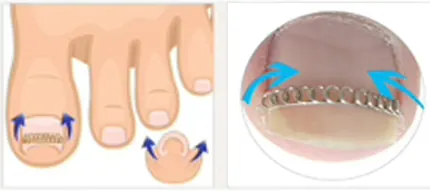
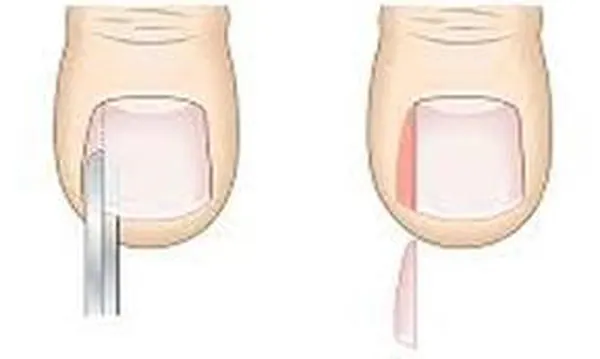 Antibiotics may be given beforehand to prepare for surgery. The procedure is done under local anaesthesia: the ingrown edge of the nail is removed together with its nail bed. The success rate is about 95%. Painkillers and antibiotics may be given afterwards, and 3–4 days of rest are recommended.
One of the most common misconceptions about ingrown toenails is that removing the whole nail is better than removing just the edge. In that case the rate of the nail growing in again is 80–90%, and the nail bed takes about two months to heal. For these reasons removing the whole nail is not recommended for most patients.
The information on this page is for general information only and does not replace an examination and diagnosis.