
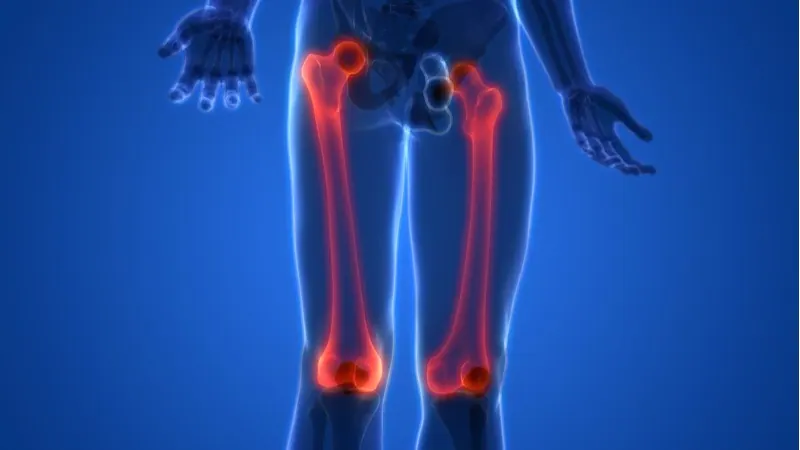
 The femur is the strongest, longest and most robust bone in the human body. It forms part of the hip and the knee. These fractures are serious because they are accompanied by blood loss of up to 2–3 units and cause long treatment and loss of working capacity. They are more common between the ages of 25 and 65. Because the femur is a very strong bone, it only breaks with a severe blow, motor vehicle accidents, falls from a height or gunshot injuries.
How is a femoral fracture diagnosed?
The diagnosis is easy. A fracture is suspected if the patient has pain when standing on the foot or cannot bear weight at all, or if there is pain when the area is touched during examination. If there is obvious deformity, swelling or even bruising of the thigh, the diagnosis is straightforward. The physical examination is mainly done to check whether the fracture ends have pierced the skin and whether there is vessel or nerve damage.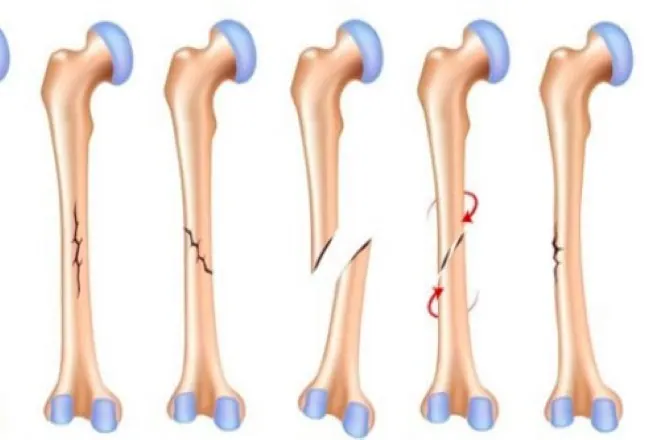 X-ray examination is essential to determine the type and location of the fracture and the treatment. There may be injuries to the hip and knee joints together with a femoral fracture; these areas are also assessed on examination and advanced imaging such as CT and MRI may be requested. In some studies the knee was examined arthroscopically during surgery for distal femoral fractures, and an accompanying meniscus tear was found in 50% of these patients.
How is a femoral fracture treated?
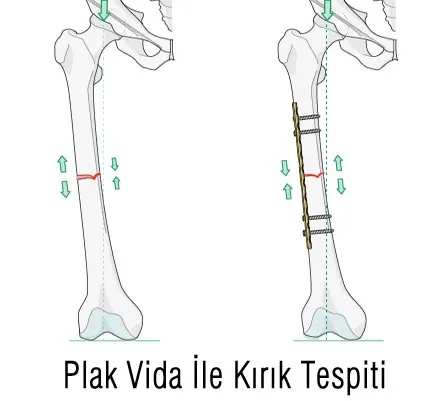
Undisplaced fractures may be followed without weight-bearing for a while, but most femoral fractures require surgery. Surgically, treatment is provided by placing a nail inside the bone marrow, placing a plate on the bone, or – in open fractures – with external fixation devices.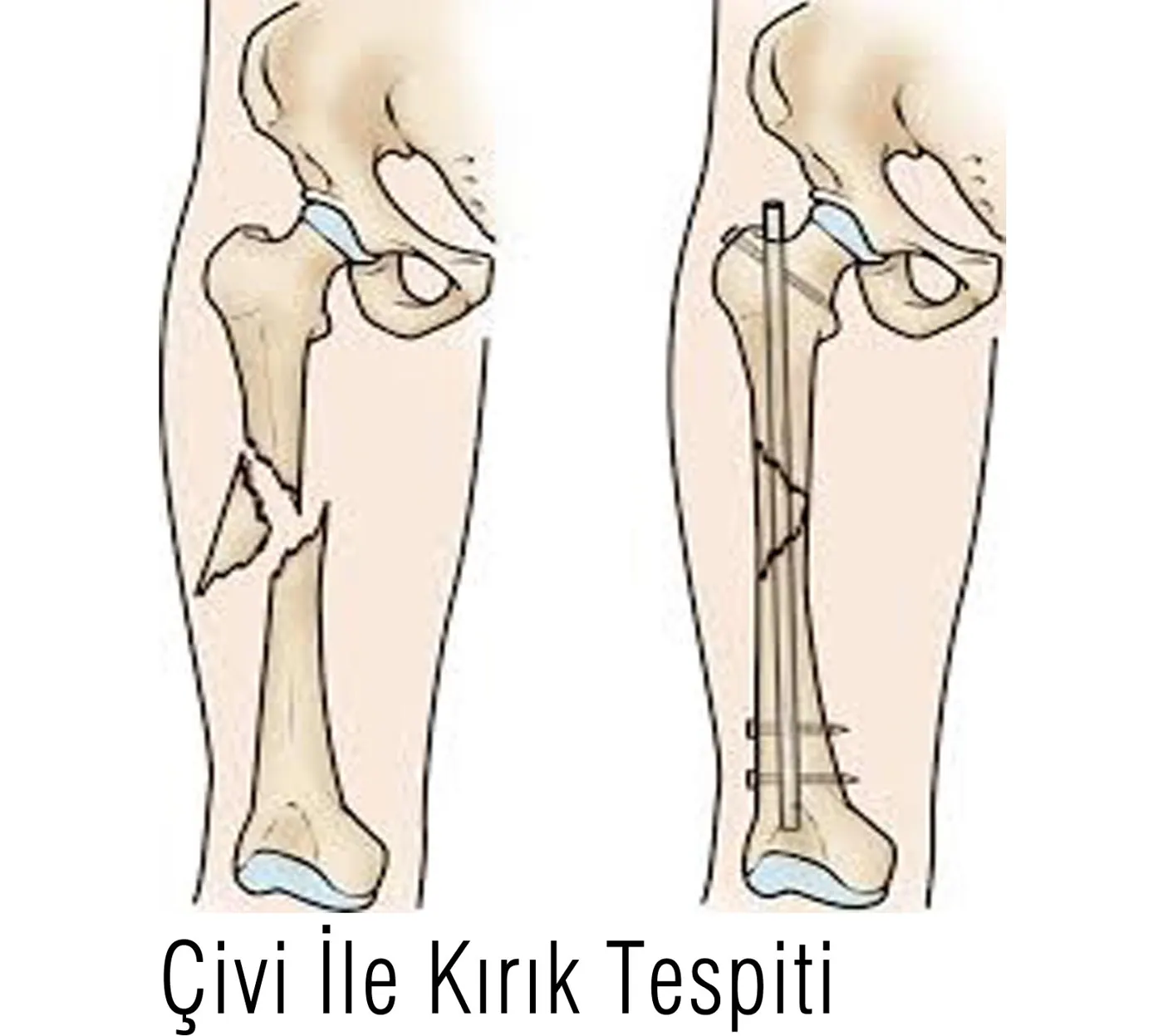
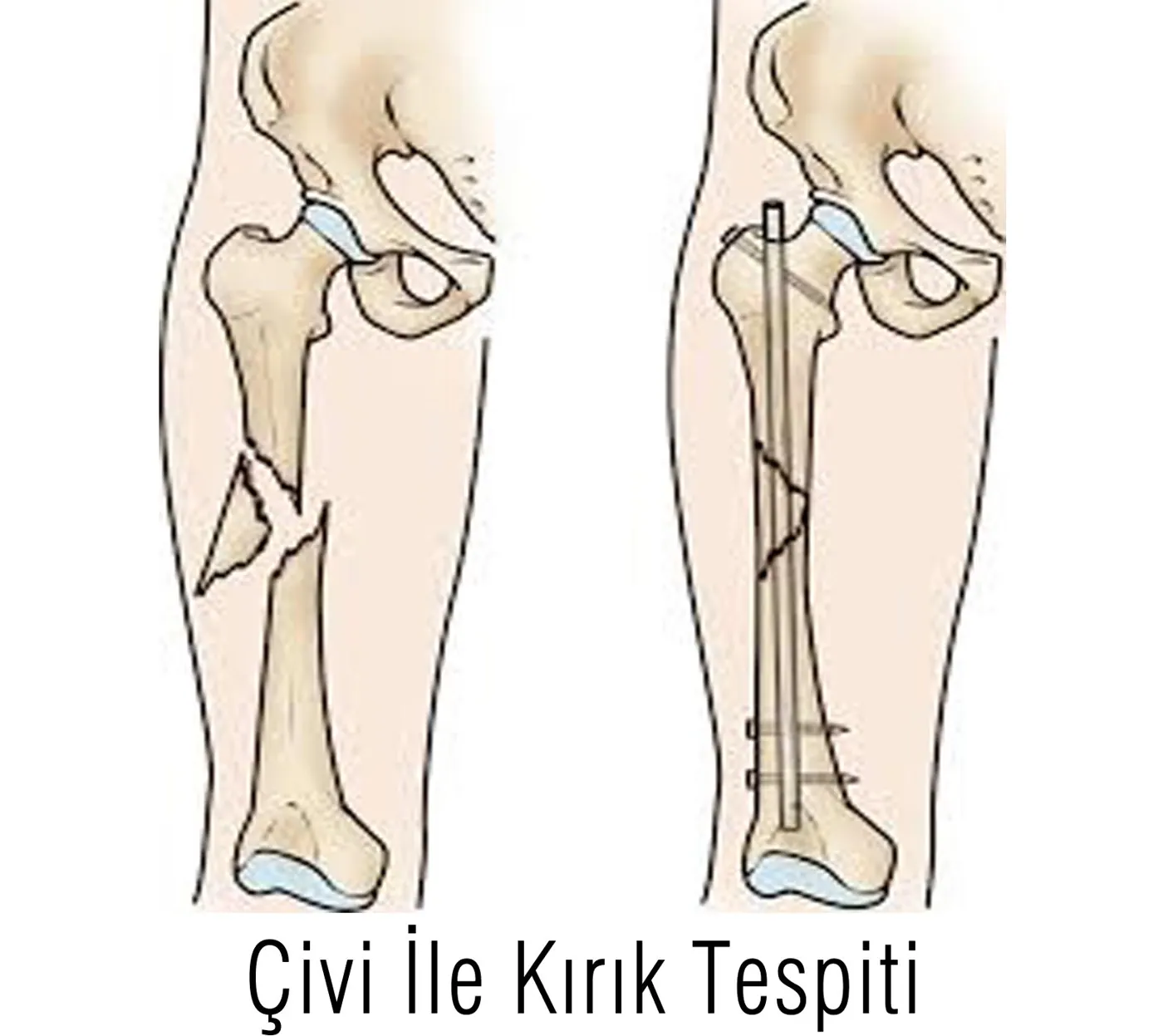
What are the risks of femoral fracture surgery?
In addition to the general risks of surgery, such as bleeding or anaesthesia-related problems seen in major operations of this kind, complications after femoral fracture surgery include: infection; damage to nerves and blood vessels; blood clots; fat embolism (after a fracture, bone marrow can enter the bloodstream and travel to the lungs); malalignment or incorrect positioning of the bone fragments; delayed bone healing; and sometimes irritation of the overlying muscles and tendons by the ends of plates or screws.
How long does a femoral fracture take to heal? What affects healing?
Even when the surgery has gone well, these fractures take at least 4–6 months to heal completely. This period is longer especially for multi-fragment and open fractures.
Rehabilitation is important for patients' return to life after a femoral fracture. It is beneficial to take calcium and protein (bone broth, trotter soup, etc.) and vitamin D for bone health, and foods and supplements containing vitamin C to strengthen the immune system. Smoking, on the other hand, delays fracture healing.
The information on this page is for general information only and does not replace an examination and diagnosis.