
Hallux valgus, popularly known as a bunion, is a deformity of the big toe. The big toe, which should normally lie straight in line with the foot, turns towards the second toe while its base pushes out towards the inner edge of the foot. Although the exact cause of this very common orthopaedic condition, which is becoming more frequent every day, is not known, if not treated in time it can lead to loss of working capacity, reduced quality of life, cosmetic and psychological problems affecting not only the big toe but the whole foot and even the body.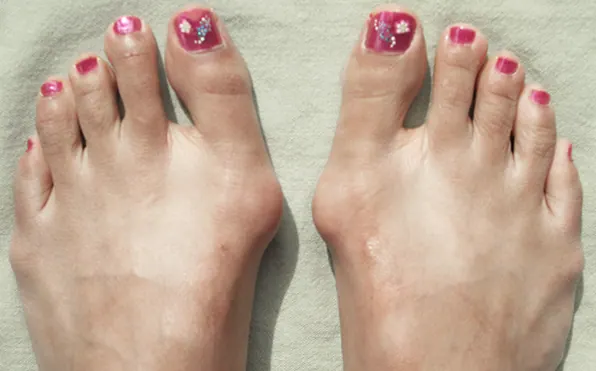 Its first physical sign – the bone at the base of the big toe sticking out – makes diagnosis easy. 90% of cases are in women and 10% in men. It is most common between the ages of 25 and 45, and genetic factors are important. Starting treatment at an early age increases success, especially in people with a family history.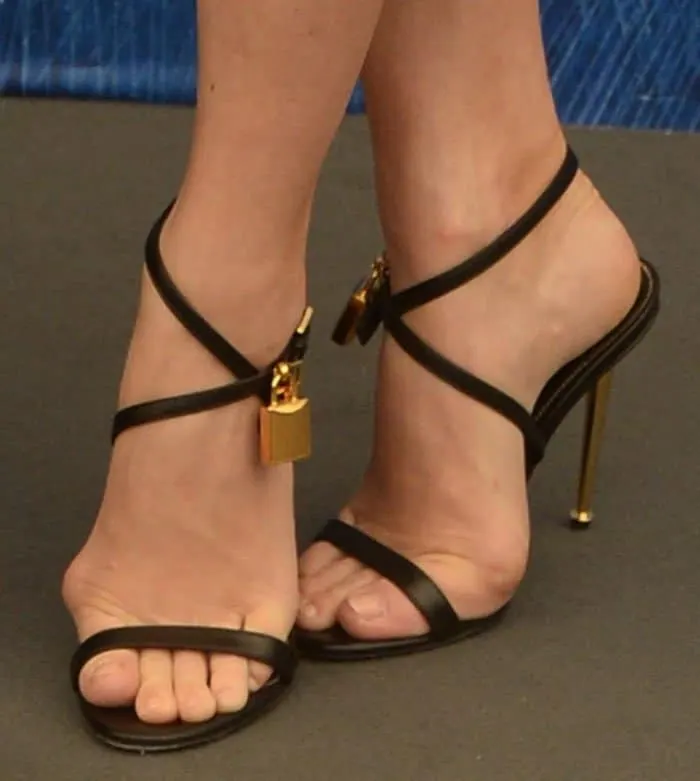
The causes of this condition can be listed as follows:
Wrong choice of shoes, the main factor in many foot problems, is among the leading causes of hallux valgus. It develops especially in women who, for fashion or cosmetic reasons, wear tight, pointed, high-heeled shoes unsuited to the shape of the foot for long periods. Apart from footwear: genetic factors, a short Achilles tendon, flat feet or splayed forefoot, weak connective tissue, foot deformities after injuries (such as fractures), obesity or being overweight, standing for long periods and rheumatoid arthritis.
How is hallux valgus treated?
In the early stage there may be no complaints other than the deformity, but as it progresses pain, difficulty wearing shoes and even difficulty walking develop. The pain and redness of the skin are especially over the bump and increase when wearing narrow high-heeled shoes.
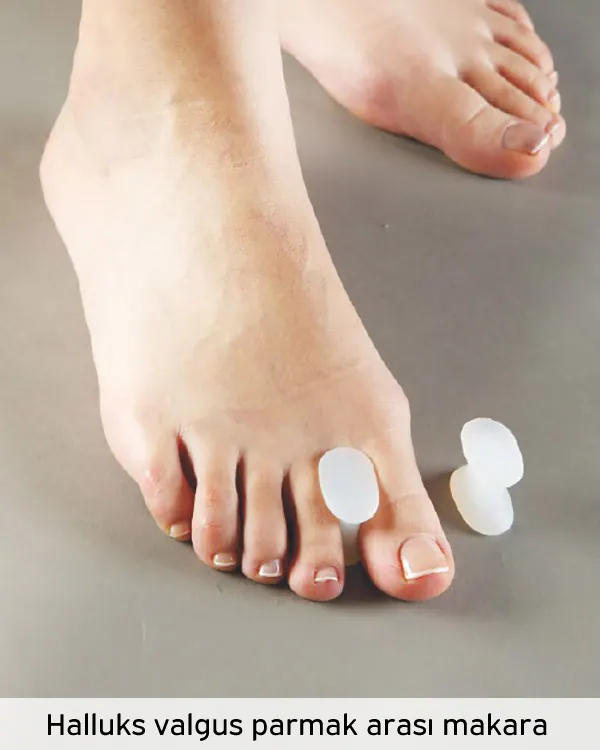
In patients with mild deformity, toe spacers, a hallux valgus night splint, orthopaedic insoles for those with a low arch, and comfortable soft shoes with a wide toe box give considerable relief. However, none of these methods cures the condition; they only reduce pain and slow the process.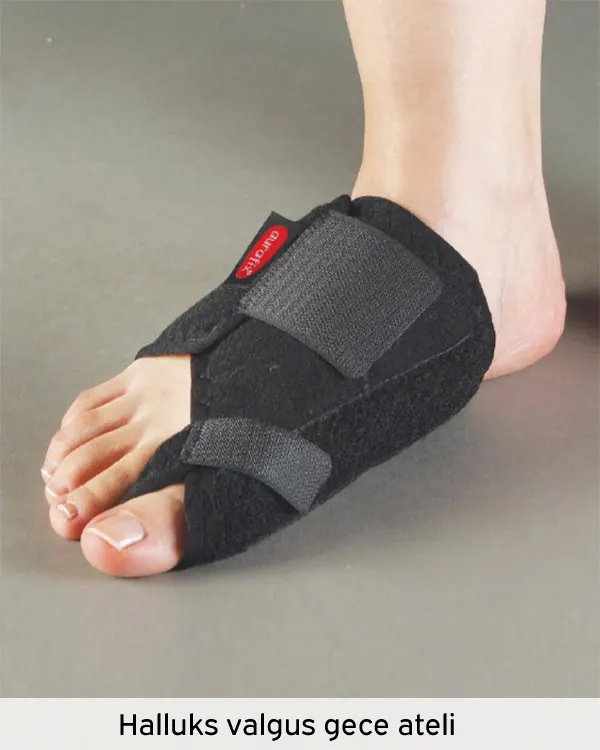
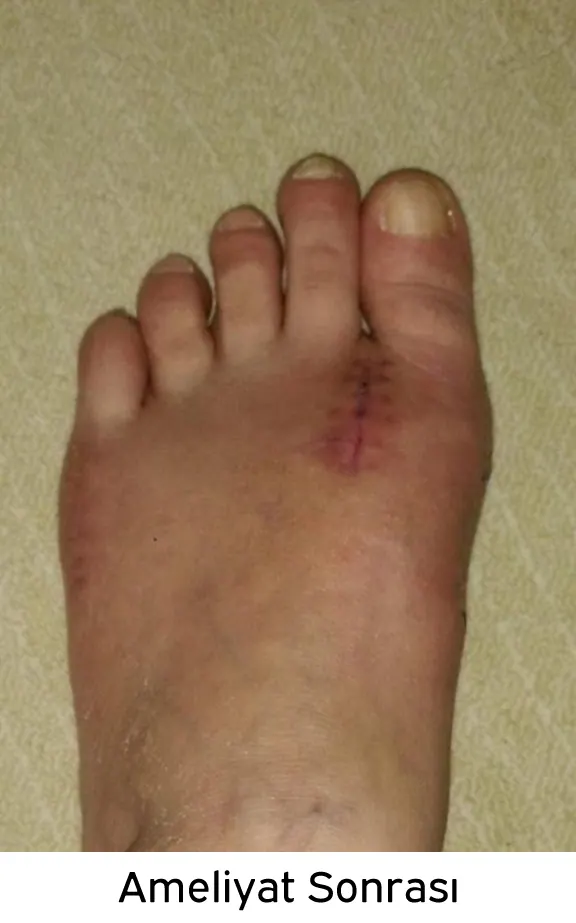
 In patients with advanced deformity whose pain continues despite all non-surgical treatments and affects daily life, surgery is unavoidable. The bone that has turned outwards is brought back to its normal position. After surgery it is possible to walk without full weight-bearing for 6–8 weeks; full weight-bearing begins once the bone has healed. Although there is a risk of the deformity recurring after surgery, careful patient and operation selection and advanced surgical techniques reduce this risk.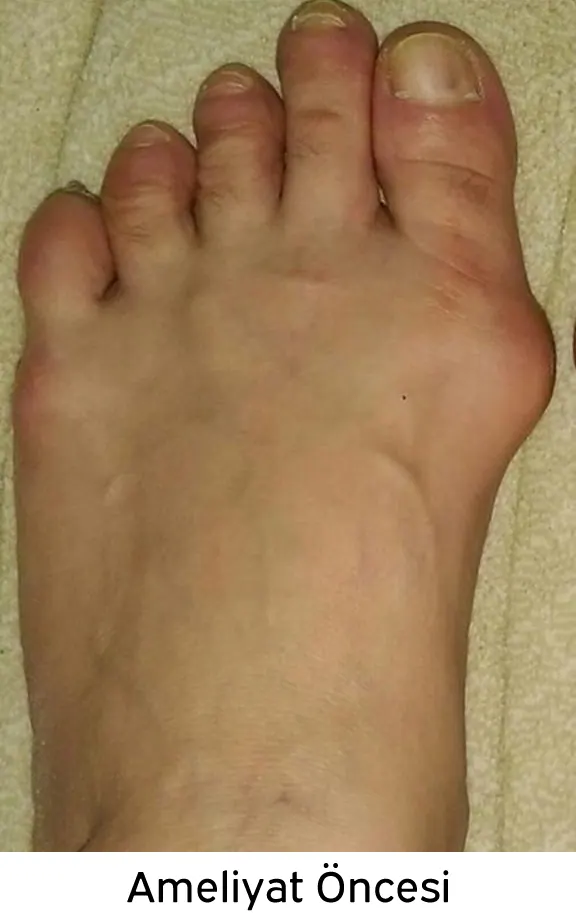
The information on this page is for general information only and does not replace an examination and diagnosis.