
What is ESWT?
Extracorporeal shock wave therapy, or simply "shock wave therapy" (ESWT), is the application of high-frequency, high-pressure sound waves generated outside the body to the affected area through an applicator with a steel head.
Which conditions is ESWT used for?
Good results are obtained in conditions such as heel spurs, tennis elbow, golfer's elbow, calcific shoulder tendinitis and Achilles tendinitis. ESWT works by increasing blood flow in the treated area and activating the body's own healing mechanisms; it is also effective for chronic tendon strains and painful trigger points in muscles.
How is ESWT applied?
ESWT causes inflammation in the treated area, speeds up blood flow and stimulates the body's repair mechanisms, which gives it a healing effect in chronic muscle and tendon disorders. It is usually planned as 3, 5 or 7 sessions given 4–8 days apart. The dose and duration are decided after an individual assessment. An important feature is that it requires no anaesthesia or preparation, offering treatment without surgery or cortisone. Its effect can be felt even after the first session; however, this is usually temporary and related to the numbing effect of over-stimulation of the tissue by the sound-wave pulses. Especially in patients who also do suitable physiotherapy exercises between sessions, significant improvement in pain and other complaints is seen within 2–4 weeks.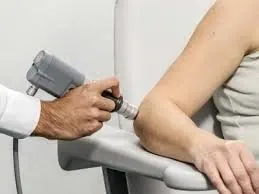
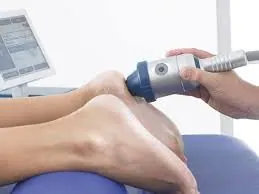 ESWT, widely used around the world in recent years, has shown no side effects on the musculoskeletal system. It may have short-lived effects after application such as mild to moderate pain, redness, bruising or aching. During recovery the patient can continue daily activities and work; no rest is needed after treatment. Another feature that distinguishes ESWT from other treatments is that it provides lasting improvement by addressing the causes of the disease. Because ESWT uses the body's own healing mechanisms, once the condition has healed the chance of recurrence is low.
The information on this page is for general information only and does not replace an examination and diagnosis.