
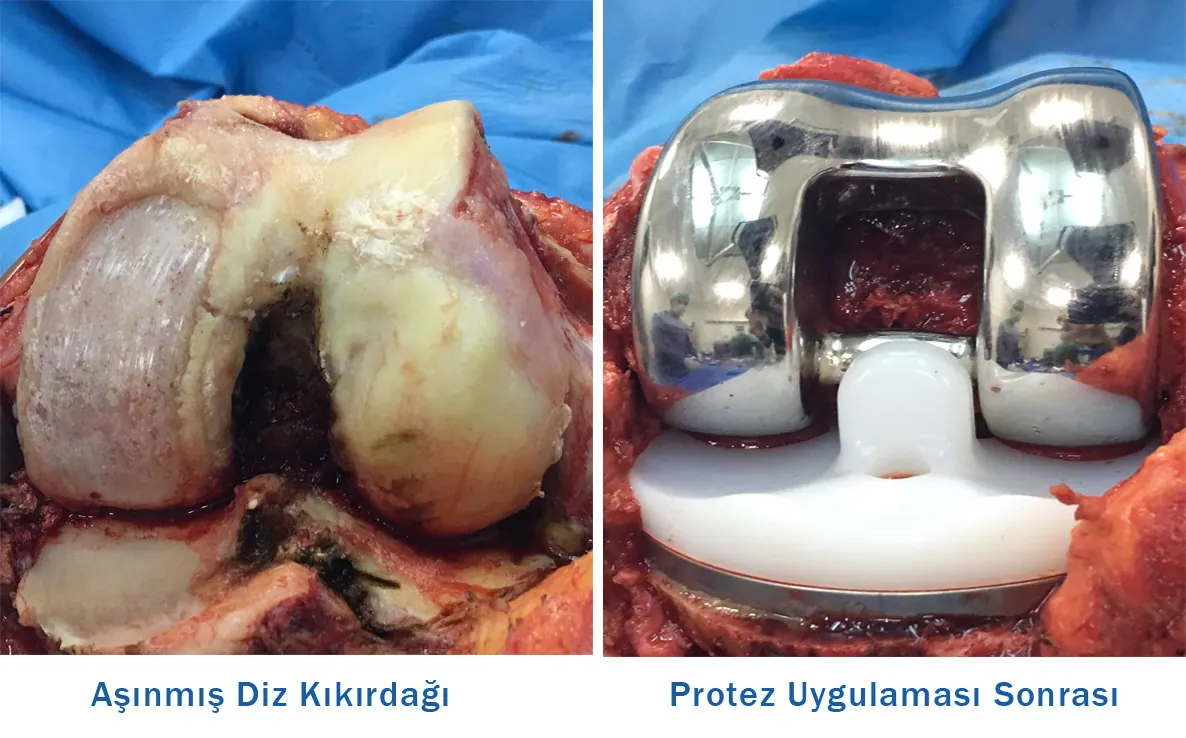
What is joint osteoarthritis? What is joint replacement surgery?
Normally the joint surfaces are covered with slippery, smooth cartilage tissue, so movements are smooth and painless. Wear of the joint's surface cartilage increases friction during movement, and joint movements become restricted and painful. We call this condition osteoarthritis (arthrosis). Replacing the damaged surfaces of an arthritic joint is called joint replacement (prosthesis) surgery.
When is a prosthesis needed?
Joint replacement is necessary if you have pain, restricted movement or leg deformity at a level that prevents your daily life, or pain that does not settle at rest.
Is there an age limit for joint replacement?
In osteoarthritis, performing the replacement after the age of 65 reduces the number of later prosthesis revisions. However, age is not a strict criterion for timing the operation; the main criteria are a decrease in the patient's quality of life and pain at a disturbing level (not responding to painkillers and limiting your life).
In which diseases is a prosthesis used?
- Joint arthrosis (osteoarthritis)
- Rheumatic arthropathies: rheumatoid arthritis, ankylosing spondylitis, SLE, etc.
- Conditions causing avascular necrosis: after use of drugs such as cortisone or methotrexate
- After failed operations: fracture non-union, problematic prosthesis surgery
- Arthrosis due to past infections
When is a prosthesis not recommended?
- Active infection around the joint
- Knees that have been fused (arthrodesis)
- Progressive osteopenia
- Neuropathic joints
- Muscle diseases, paralysis
- Morbid obesity
- Dementia and inability to care for oneself
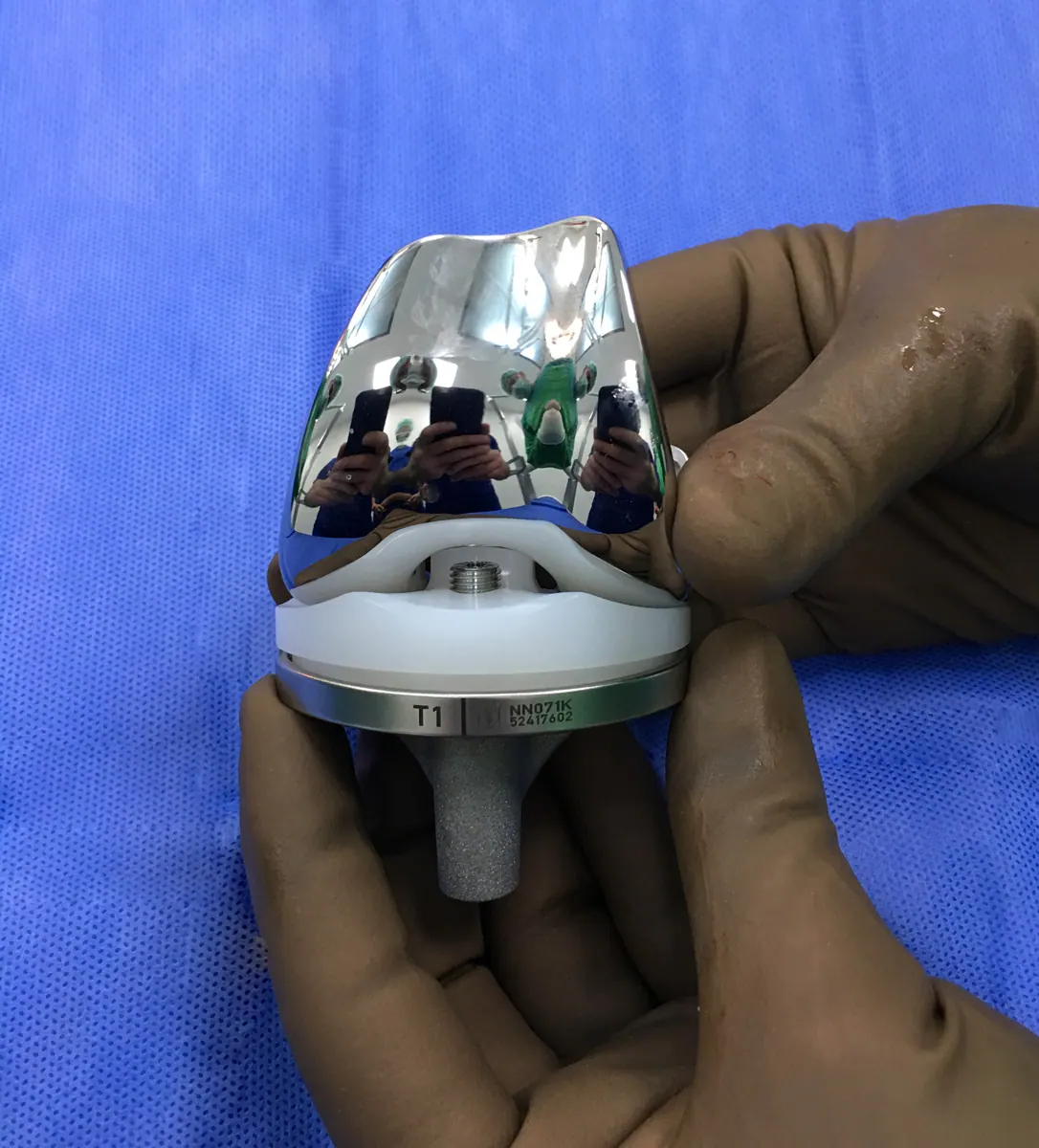
What materials are prostheses made of?
Prostheses consist of metal (cobalt-chromium, metal-ceramic (zirconium), titanium), plastic (polyethylene) or ceramic surfaces.
Will the prosthesis be compatible with my body?
Although the material used varies with the person and the procedure, the materials generally do not cause allergic reactions in the body and are resistant to deterioration and breakage.
Which type of anaesthesia is suitable?
The method is decided together with the anaesthetist during the pre-operative examination. For knee replacement we generally prefer spinal/epidural anaesthesia, because the patient is not put to sleep, so there are no lung problems, and after surgery patients feel no pain for 5–6 hours.
How long does the operation take?
On average it takes 1.5–2 hours. Including one hour of preparation and half an hour of recovery after surgery, the patient leaves the operating theatre for their room after a total of 3–4 hours.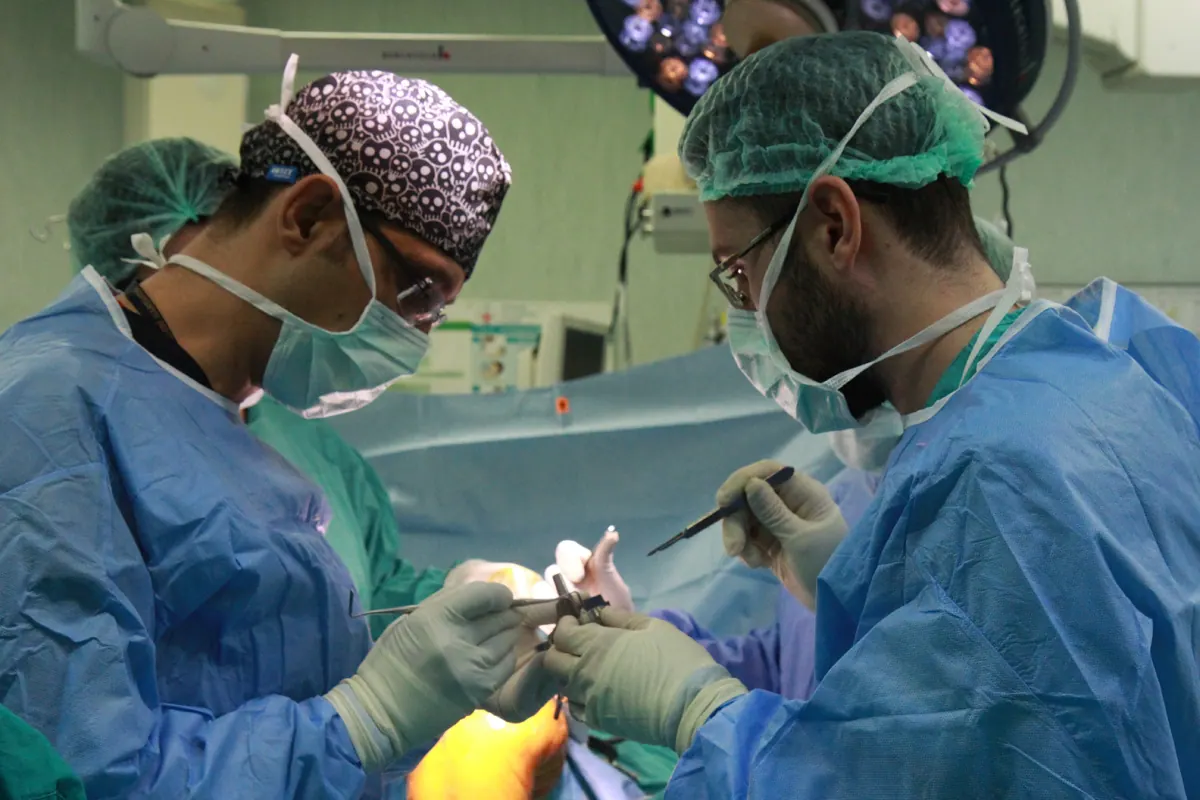
How long does a knee prosthesis last?
With proper surgical technique and modern prosthesis designs, the survival of prostheses today has increased to 15–20 years. Patients can extend this period by keeping their weight down, keeping their muscles strong and avoiding very strenuous activities. At the end of this period, a prosthesis or prosthesis parts that have loosened from the bone are replaced surgically. This replacement is called revision surgery.
What are the risks of joint replacement surgery?
Joint replacement has been performed successfully by expert hands for many years. However, despite all precautions, some of the following undesirable complications can occur:
- Infection: All surgery carries a risk of infection. After knee replacement the rate is 1–3%. An infection elsewhere in the body increases the risk of prosthesis infection via the bloodstream. Diseases that weaken the immune system (such as diabetes or HIV), skin problems before surgery and poor hygiene also increase the risk. Eliminating sources of infection before surgery, preparing the surgical area well, using antibiotics before and after surgery, and taking infection-prevention measures during the operation reduce the risk.
- Instability (looseness): Instability of a knee prosthesis can be seen when the bone cuts are not made correctly or the ligaments are not balanced sufficiently.
- Blood clots: Clotting may occur after surgery as blood circulation slows in the unused leg. Getting the patient moving early, applying bandages and compression devices to the legs, and using aspirin or blood-thinning medication are measures to prevent clotting.
- Breakage, dislocation or early wear of the prosthesis
- Lung infection
- Damage to vessels, nerves or organs
- Bleeding, haematoma
- Fractures, etc.
When will I be on my feet after knee replacement?
Patients can walk with weight-bearing using a hand support such as a walker or a stick one day after surgery.
How many days will I stay in hospital?
The hospital stay is on average 2–4 days.
When can I drive after knee replacement?
For safety reasons, driving should start at least 6 weeks after surgery.
Which sports can I do after knee replacement?
Although it differs for each patient, outdoor walking can begin within 4–8 weeks after surgery. Over time, sports that do not require sudden movements and carry little risk of falling, such as swimming and the exercise bike, can be done.
Can I bend my knee after knee replacement?
Patients reach their maximum bending in about 4–6 weeks. The average bend is 110–120 degrees and depends on how far the patient could bend the knee before surgery, their weight, the success of the surgery and whether the patient does the exercises fully and regularly. The minimum bend after surgery is 90 degrees, but to sit on low seats and stand up from them the knee needs to bend 110 degrees.
What should I do to prepare for surgery?
- Tell your doctor about past illnesses, operations and the medicines you use.
- Medicines that increase bleeding should be stopped (after consulting your doctor) for the following periods before surgery:
- Coumadin 5 days
- Plavix 7 days
- Trental 7 days
- Aspirin 10 days
- all vitamins and supplements 10 days
- painkillers (NSAIDs) 10 days
- methotrexate 2 weeks
- diet pills 2 weeks
- After surgery you may need crutches, a walker, a raised toilet seat and grab rails in the bathroom and toilet at home. You will need ice or cold gel packs for cold application. Prepare these aids in advance.
- Learn and do the pre-operative exercise programme.
- Stop smoking 2 days before.
- Take a bath the night before and wash the surgical area with an antiseptic solution (4% chlorhexidine gluconate). On the morning of surgery, do not use personal care products (lotion, deodorant, perfume), do not wear make-up and remove nail polish.
- Do not eat or drink anything for 8 hours before surgery.
- Insulin and diabetes tablets are not taken on the morning of surgery; an appropriate drip is given instead. Blood pressure medicines can be taken on the morning of surgery with very little water.
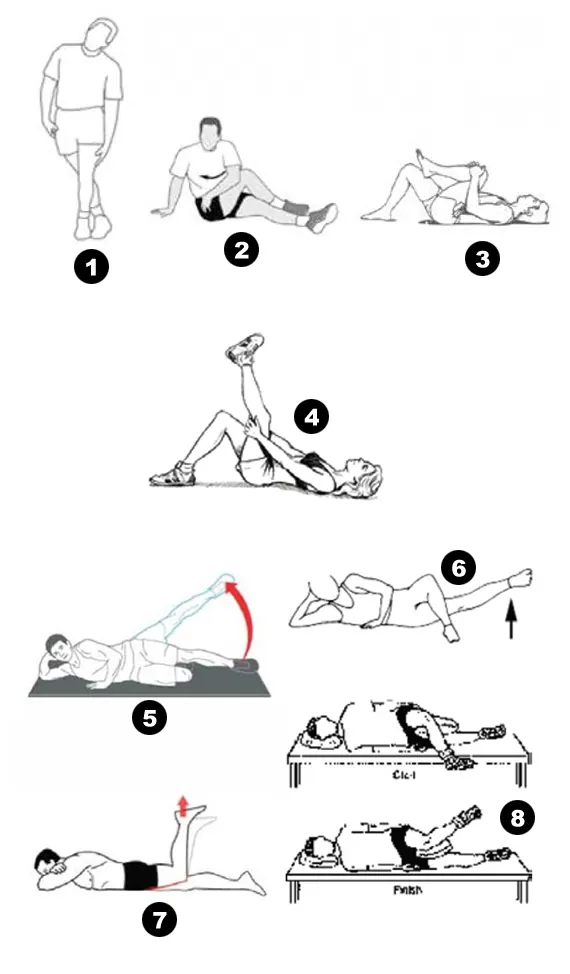
EXERCISES BEFORE JOINT REPLACEMENT
Learning and doing exercises before surgery will help early recovery. Start the exercises a few weeks before surgery, 2–3 times a day with 5 repetitions, and increase the number over time. Always warm up with walking or cycling before exercising.
- Standing iliotibial band stretch: Cross your legs. Slowly lean to the right, hold for 5 seconds, then straighten. Do the same to the left.
- Seated twist and stretch: Sitting, cross one leg over the other. Turn your body towards the bent leg. Press your knee to the opposite side with your elbow and hold for 5 seconds.
- Knee-to-chest exercise: Pull your knee towards your stomach and hold for 5 seconds.
- Hamstring stretch: Hold your thigh from under the knee with both hands or with a towel. Straighten your knee fully. Hold for 5 seconds.
- Side leg raise: Lift the leg to the side and hold for 5 seconds.
- Cross-over hip movement: Lift the lower leg off the floor, hold for 5 seconds and lower it.
- Prone hip lift: Bend the knee to 90 degrees, lift the leg from the hip, hold for 5 seconds and lower it.
- Hip rotation: Lie on your side with a pillow between your legs. Let the upper leg hang down while turning the hip outwards. Hold the lower leg for 5 seconds and return to the starting position. Repeat with the other leg lying on the other side.
THE FIRST DAY AFTER SURGERY
– If spinal anaesthesia was used, the return of leg movement can take 1–4 hours.
– If you have pain or nausea, medication will be given.
– Constipation and difficulty passing urine may occur due to the anaesthesia. Tell your nurse.
– Patients who shake hands with visitors should wash their hands often and pay attention to hand hygiene.
– Be careful not to slip on wet floors in the bathroom and after walking. Do not get up without help.
– After the 3rd day, if there is no discharge, you can shower with waterproof dressings.
What problems may occur in the early period after surgery?
– Swelling, bruising: There may be swelling in the operated area, varying from patient to patient. As the swelling decreases, bruising appears, which turns yellow and fades over time.
– Leg swelling: In the first month, sitting for long periods with the leg hanging down increases swelling of the leg and foot. Raising the leg on a pillow from time to time will reduce the swelling. Ice, cold showers, bandages or anti-embolism stockings reduce swelling. However, bandages wrapped too tightly or stockings left creased can cause swelling further down. Exercising is also important to prevent swelling. If the swelling does not decrease or increases despite resting the leg raised and applying ice, contact your doctor.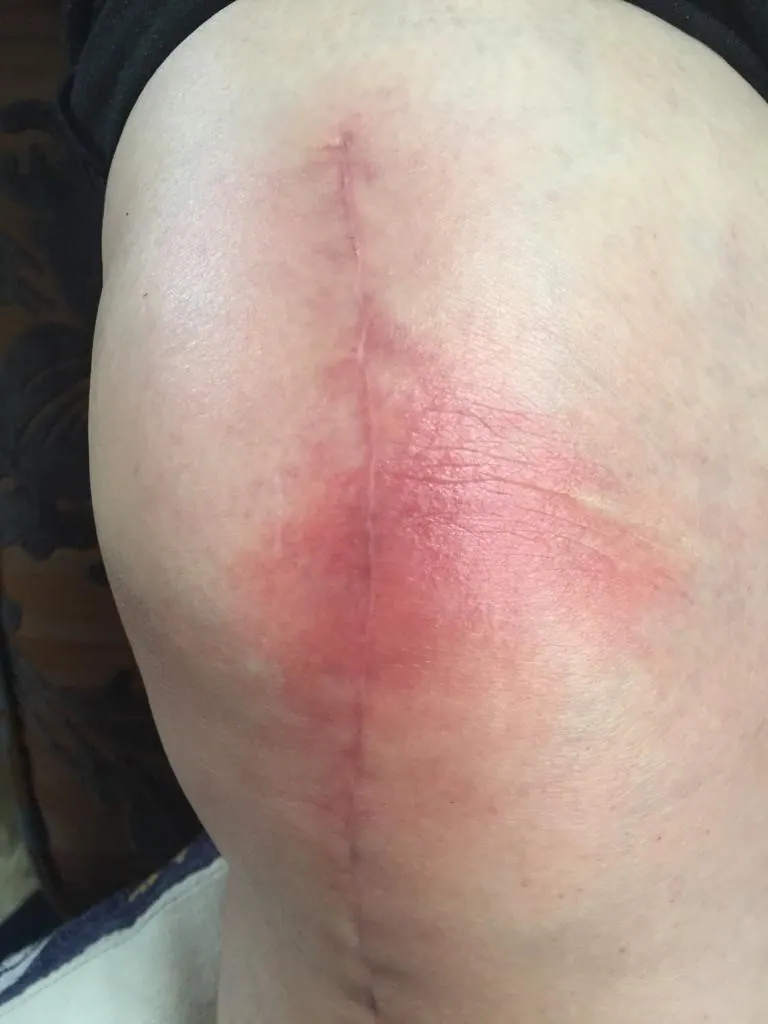 – Wound care: Keep the wound dry and clean; do not wet it. If you use a waterproof dressing, you can shower after the 3rd day. Tell your doctor if there is redness, warmth or discharge at the wound!
– Call your doctor in the following situations!
Fever above 38 °C, steadily increasing pain in the operated area, swelling, redness or warmth, difficulty breathing, chest pain or wheezing.
REHABILITATION AFTER JOINT REPLACEMENT
Depending on the patient's functional capacity, walking starts on the 2nd day with a walker or crutches. Regular exercise increases joint movement and muscle strength and allows an early return to life. Start each exercise 3–4 times a day with 5 repetitions and increase the number day by day. If pain, swelling, warmth or tenderness occurs, reduce the number of exercises. If complaints persist, consult your doctor.
Which sports can I do after joint replacement?
Recommended sports: swimming, water aerobics, cycling, golf, dancing, etc. Not recommended: running, sports requiring twisting on a planted foot and sudden movements (football, basketball, etc.), contact sports, heavy work.
What should I do to protect against infection after surgery?
It is very important that your other doctors and your dentist know that you have a joint prosthesis. Antibiotic protection is needed to prevent germs from reaching the prosthesis via the bloodstream in all dental procedures (including extractions, root canal treatment and scaling); in all procedures on the digestive system or urinary tract (including endoscopy, colonoscopy and all closed-technique urinary procedures); in upper respiratory tract diseases and procedures; and in all serious infections. For this, 1 hour before the procedure, 2 g of cefalexin or amoxicillin by mouth, or cefazolin by injection – or 600 mg of clindamycin if you are allergic – should be taken.
The information on this page is for general information only and does not replace an examination and diagnosis.