
Trochanteric bursitis, also called hip bursitis, is inflammation of the bursa located between the thigh bone (trochanter) and the outer hip tendons, which becomes tender and painful. A bursa is the name given to the protective sacs found around joints or over bony prominences in the body. Bursae are found at many large joints, including the elbow, shoulder and knee. Their inside is lined with a membrane similar to the joint lining. These small sacs, filled with a thick fluid secreted by this membrane, lubricate the joints and prevent body parts from rubbing against each other.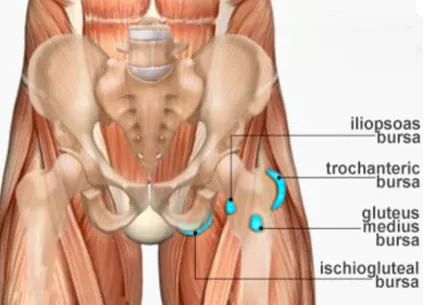 Like other bursae, the trochanteric bursa becomes inflamed and painful if the hip is overused or injured. Trochanteric bursitis may affect one side or both hips at the same time. It is one of the most common causes of hip pain. Although it can occur at any age, it is more common in middle-aged women.
What are the symptoms?
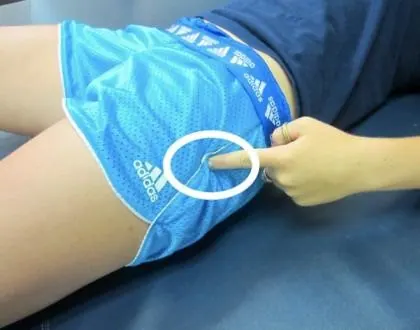
Patients usually complain of pain over the bony prominence on the side of the hip. In addition, pain may be felt in this area when lying on the affected side, when pressing on the outer hip, when getting up from a low seat or when climbing stairs. In advanced bursitis, pain spreading to the back of the hip is often confused with sciatic nerve problems.
How is it diagnosed?
Most of the time a careful examination is enough for the diagnosis. An MRI may be requested to distinguish it from sciatica and other hip pain or to check for a muscle tear.
How is it treated?
Because most hip bursitis is caused by overuse, the best initial treatment is prevention. Avoiding or modifying the activities causing the problem is extremely important for success. Underlying factors such as leg length differences, poor posture or poor technique during sport or work should be corrected. For bursitis caused by overuse or friction, anti-inflammatory medication and rest are given. Using a walker, crutches and other aids can also help. In addition, support from an expert physiotherapist can be obtained; exercises for hip bursitis, especially to increase flexibility and strengthen the muscles, are very beneficial.
If the bursitis does not settle despite these measures, a cortisone injection into the sac can be helpful.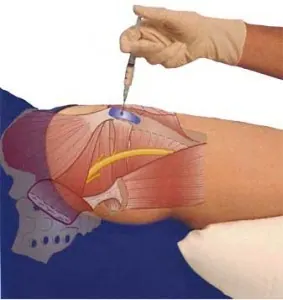 For infected bursitis, the fluid is drawn out with a syringe and appropriate antibiotics are given.
If none of these treatments works, chronic bursitis may require surgical removal of the bursa and smoothing of the underlying bony prominence. The operation can be done with an open or closed (arthroscopic) technique. In both cases, patients should avoid heavy work for 2 months. The pain usually improves within 2–4 months after surgery, but complete recovery can take from 6 months to a year.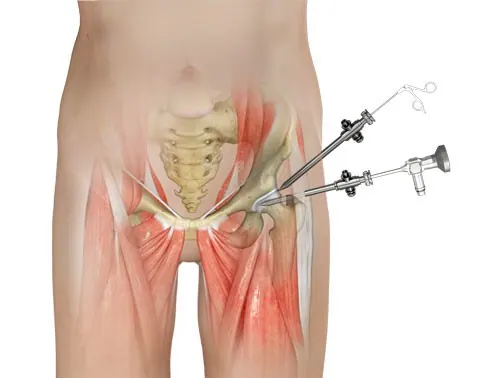
The information on this page is for general information only and does not replace an examination and diagnosis.