
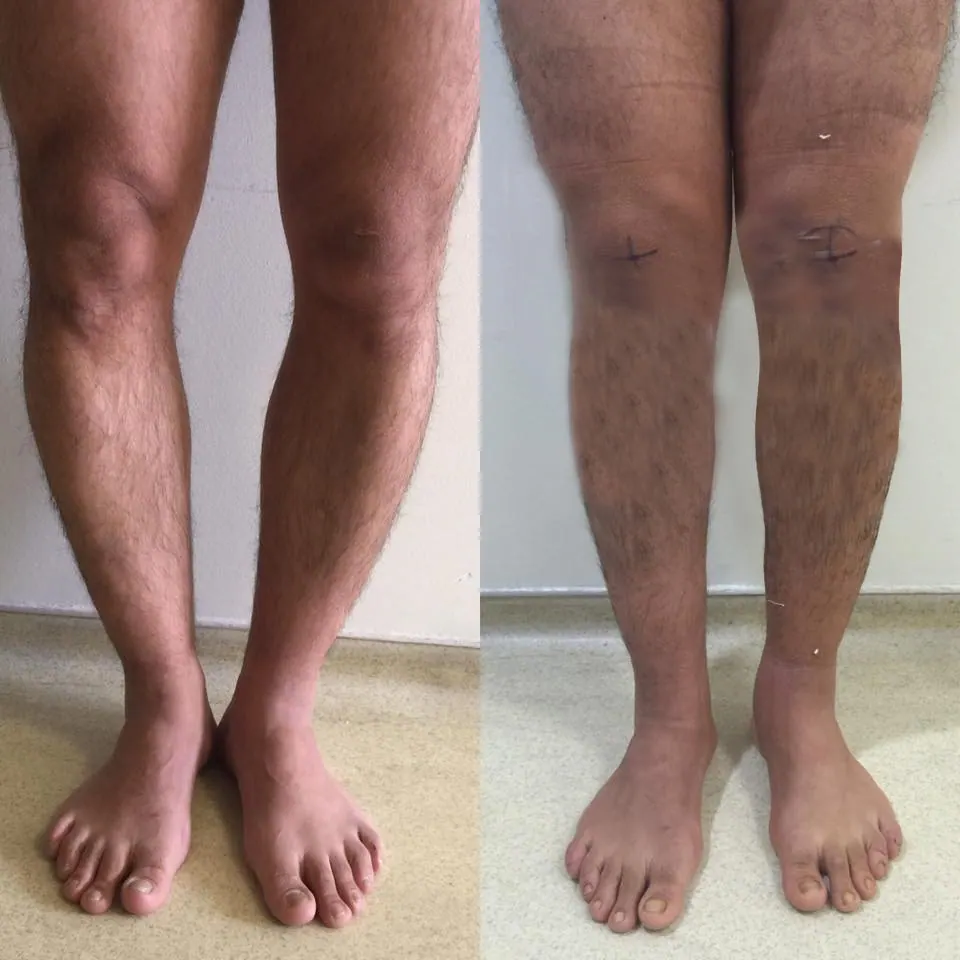
The knee joint can be divided into two halves, inner and outer. When we stand, the body's weight-bearing axis runs from the hip joint through the middle of the knee and the middle of the ankle. In this way 60% of our body weight is transmitted to the inner part of the knee and 40% to the outer part. As a result, with age the inner part of the knee wears earlier and the legs bow inwards. This is called "bow legs" (genu varum).
In a leg that bows inwards, the inner part of the knee carries much more load, so the joint wears faster and develops osteoarthritis. This osteoarthritis and joint damage further accelerate the process that leads the knee to replacement surgery.
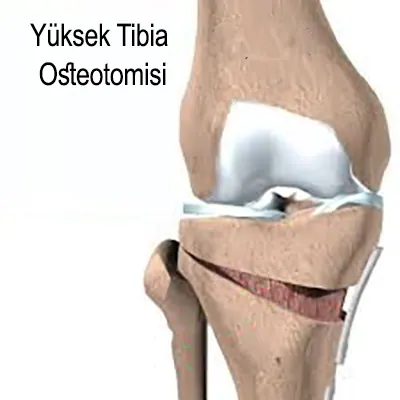
The bone correction operation that straightens this deformity is called "high tibial osteotomy (HTO)". It is not a cosmetic correction; it is a genuine corrective procedure to prevent early wear of the knee or, in knees worn only on the inner side, to postpone knee replacement.
Young patients with severe bow legs may request correction for cosmetic reasons, but at this age correcting the leg with bone surgery is necessary to protect knee health.
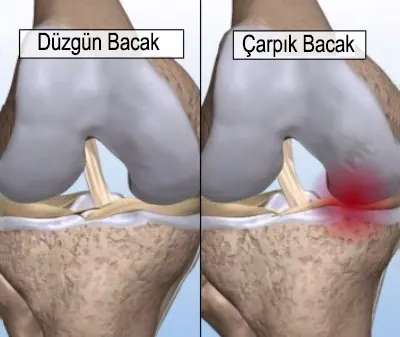
Today, HTO patients are generally aged 40–60 with knee osteoarthritis (worn cartilage on the inner side of the knee). The aim of treatment in this age and damage group is to gain the patient 5–10 years before knee replacement while providing much more comfortable, pain-free knee movement during this time.
The goal of HTO is to correct the patient's leg alignment and transfer the load from the worn cartilage on the inner side of the knee to the healthier outer side.
Who is HTO suitable for?
- Patients with osteoarthritis on the inner side of the knee while the outer side and the kneecap are normal,
- with a leg deformity of no more than 25 degrees,
- who are not severely overweight,
- without significant restriction of knee movement,
- and without rheumatic involvement of the knee.
What are the benefits of HTO?
- The operation is done below the knee. Because the joint itself is not entered and no implant is placed in the joint, the natural joint structure is preserved. Patients move more comfortably than with a prosthesis.
- In the right patient group it postpones knee replacement by 5 to 10 years. This reduces the need for prosthesis revision, which can arise years after knee replacement.
Surgical method:
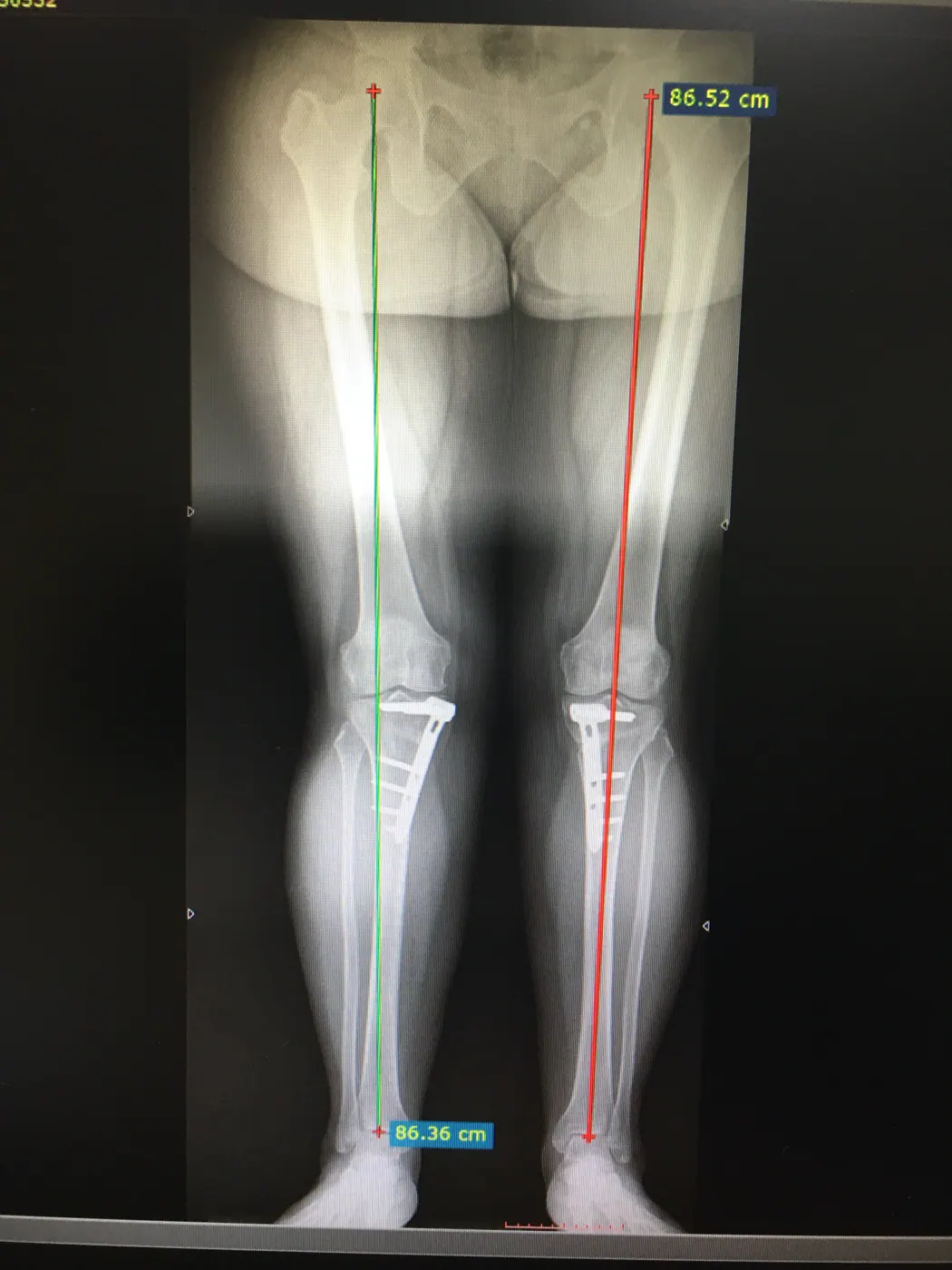
Before surgery, full-length standing X-rays of the legs are taken to measure how far the weight-bearing axis has shifted and the degree of angulation.
High tibial osteotomy is performed as open surgery. Before the open part, damaged cartilage inside the knee can be cleaned or meniscus tears treated arthroscopically (keyhole). During the operation the bone is cut below the knee, and once the desired correction angle is reached the bone is fixed with a plate and screws. After surgery the straightening of the leg can be clearly seen. After high tibial osteotomy, one or two nights in hospital are needed; then walking with crutches for 6 to 8 weeks, and full weight-bearing is allowed after 2 months.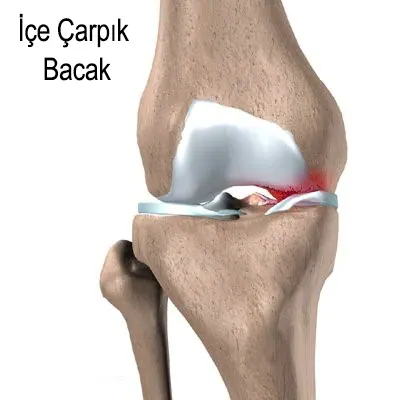
What are the complications of the operation?
Although they are not common, the main possible complications are:
- vessel and nerve injury during surgery
- swelling, pain, compartment syndrome
- infection
- blood clots in the veins
- loosening or breakage of the plate and screws
- insufficient healing or non-union of the bone
The information on this page is for general information only and does not replace an examination and diagnosis.