
The tailbone (coccyx) is at the very end of the spine, where the spine curves forward (inward). Tailbone pain is medically called "coccydynia". For pain to be defined as coccydynia it must have lasted for more than 2 months. Although tailbone pain can occur at any age and at any time, it is more common in women, because the structure of the female pelvis leaves the coccyx less protected. It has also been found to be more common in people with depression and anxiety disorders.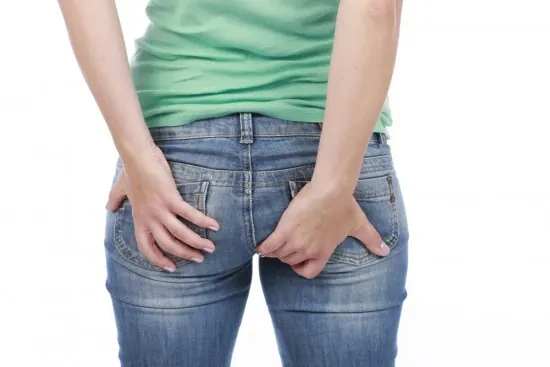
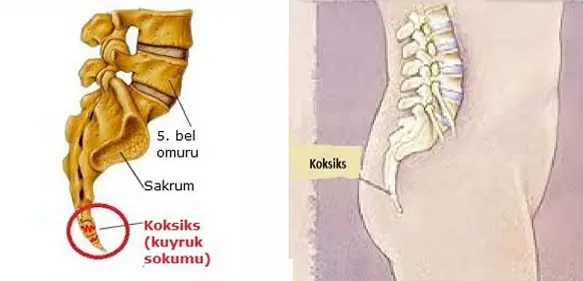
What causes tailbone pain?
The most common cause is falling on one's backside. Sitting still for long periods, injuries from lifting heavy loads, strenuous physical activity and exercise, as well as congenital abnormalities, joint inflammation, bone diseases and circulatory disorders can also cause tailbone pain. Psychological factors can play a part too. Conditions such as anal inflammation and pilonidal sinus must be distinguished from coccydynia.
What are the symptoms of tailbone pain?
The main symptom is a persistent, recurring deep pain around the tailbone. It causes restlessness and lowers the patient's quality of life. Because patients find it difficult to sit normally, they often prefer to sit on one side. They may feel pain before and after a bowel movement and during sexual intercourse.
On examination there is tenderness over the tailbone. If necessary, the anal area is examined by a general surgeon to rule out other causes of pain. X-rays and MRI may also be requested to exclude other causes.
How is tailbone pain treated?
Initially, a ring (donut) cushion is given to keep pressure off the painful area. Painkillers, measures to prevent constipation and warm sitz baths help reduce the pain.
For persistent tailbone pain, manual manipulation under anaesthesia and injections of a cortisone and local anaesthetic mixture into the painful area are very helpful.
Only about 20% of patients whose pain persists despite all treatments need surgery, in which the tip of the tailbone is removed. However, because of the high risk of infection after operations in this area and because there is no 100% guarantee that the pain will go away, this method should be the last resort.
The information on this page is for general information only and does not replace an examination and diagnosis.