
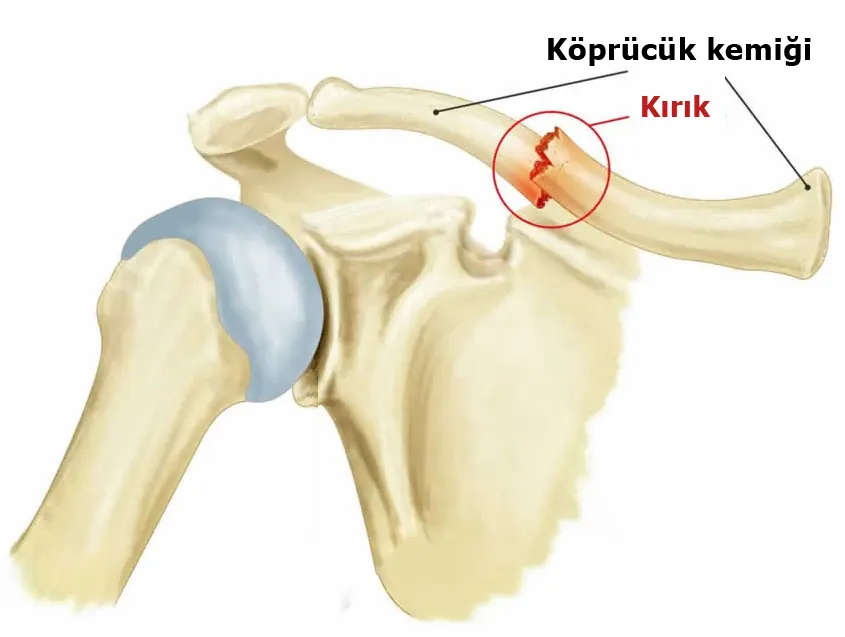
 The clavicle connects the shoulder to the breastbone, which is why it is called the collarbone. Fractures usually occur after accidents, falls or blows to the shoulder.
What are the signs of a collarbone fracture?
The clavicle is a long bone and the fracture usually occurs in its middle. Sometimes it breaks near the ends where it joins the breastbone or the shoulder blade. There is tenderness and pain over the fracture. Moving the arm is difficult because of the pain. Sometimes the fracture ends can be felt under the skin, and there is usually a step over the fracture line. Rarely, a fracture end or fragment can come out through the skin. Over time bruising and swelling develop over the fracture.
How is a collarbone fracture diagnosed and treated?
An X-ray is enough to assess the fracture line and position; depending on the injury, a CT scan may be requested for detailed assessment if other bones are also broken.
If the fracture line is clean or there is no significant step, surgery is not needed and the fracture can heal without an operation. A figure-of-eight (clavicle) bandage is applied to hold the shoulder in the right position, bringing the fracture ends together while it heals. Healing takes 3–6 weeks in children and 6–8 weeks in adults. Painkillers can be used until the fracture heals. Once healing is complete, more demanding exercises can be started gradually.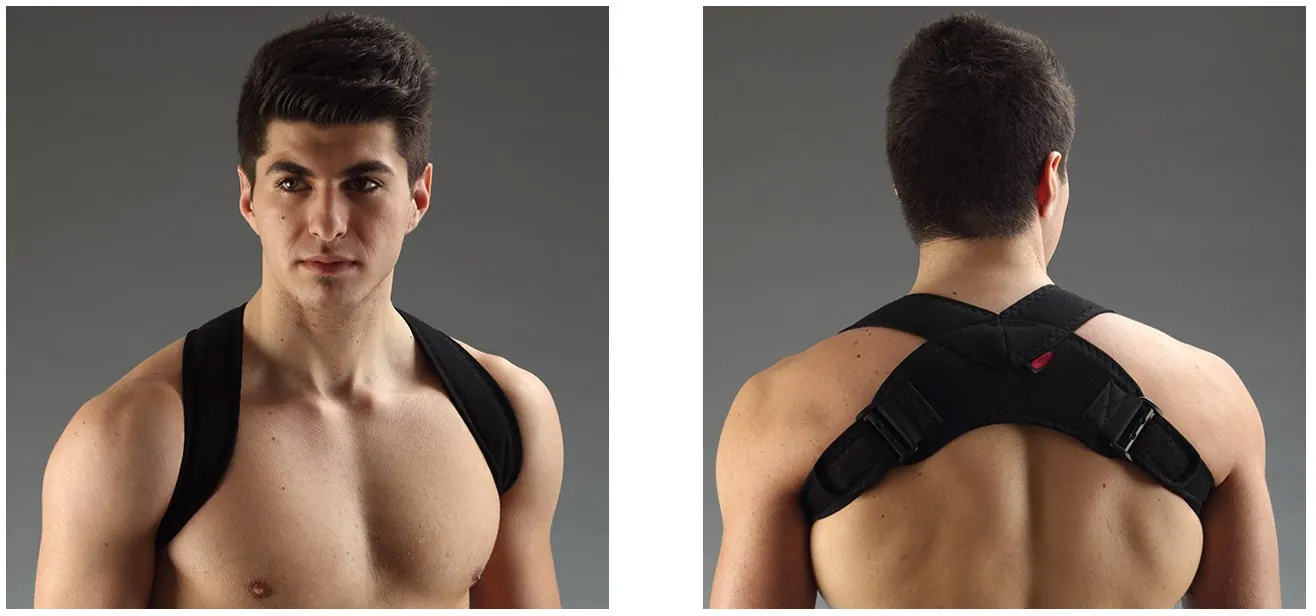
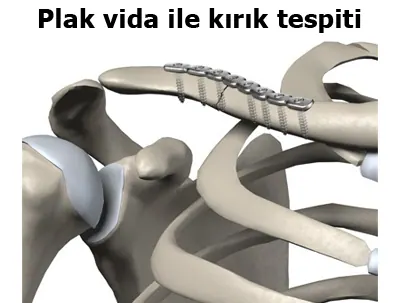 Surgery is needed if the fracture is widely displaced, irritates or has come through the skin, if both collarbones are broken, if ligaments are torn, or if the patient has multiple fractures. In surgery the fracture ends are brought together and fixed with implants such as a plate and screws, which allows earlier shoulder movement.
The information on this page is for general information only and does not replace an examination and diagnosis.