
There is a continuous cycle of bone building and breakdown in our body. Up to the age of 20 bone building predominates; after 20, breakdown becomes increasingly marked with age. A reduction in the mineral density per unit volume of bone is called osteoporosis, popularly "bone loss". As a result bone strength decreases and bones break easily.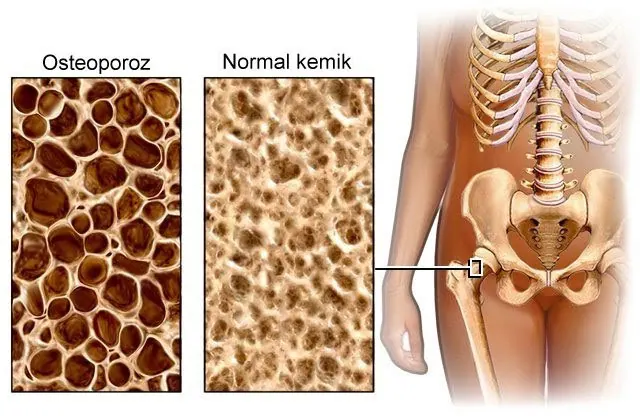 Osteoporosis is more common in women than in men – up to 80% of cases. Because women's bones are lighter and less dense, and because women go through hormonal changes after menopause that accelerate bone loss, they develop the disease more often. That is why osteoporosis is also known as a bone disease particular to women.
How is osteoporosis diagnosed? What are the symptoms?
Osteoporosis is diagnosed by radiological measurement of bone mineral density. This technique, called bone densitometry, is very easy, economical and effortless for the patient, and gives accurate, definite results about bone mass.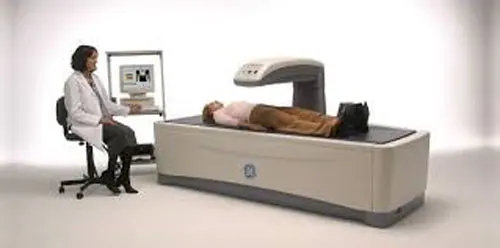 Osteoporosis generally starts after the age of 45 and affects women more. Although it affects all the bones in the body, it most affects the spine, hip and wrist. Research has shown that in its early stages it is silent and causes no complaints. As it progresses, however, it shows itself with low back and back pain, spinal fractures, loss of height, wrist fractures, rib and hip fractures and a rounded back.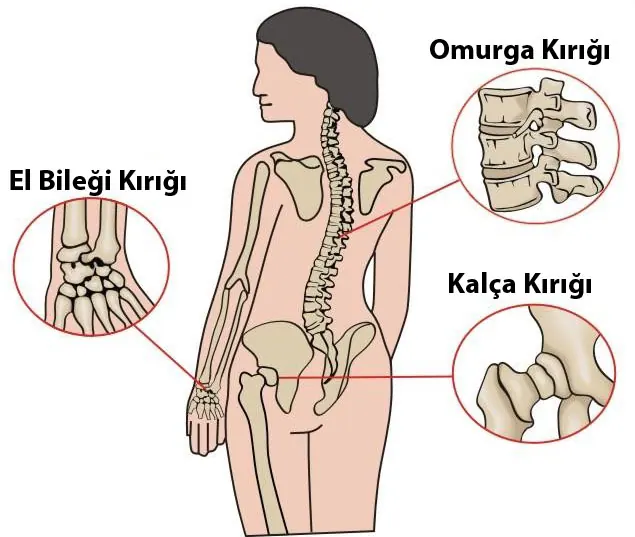
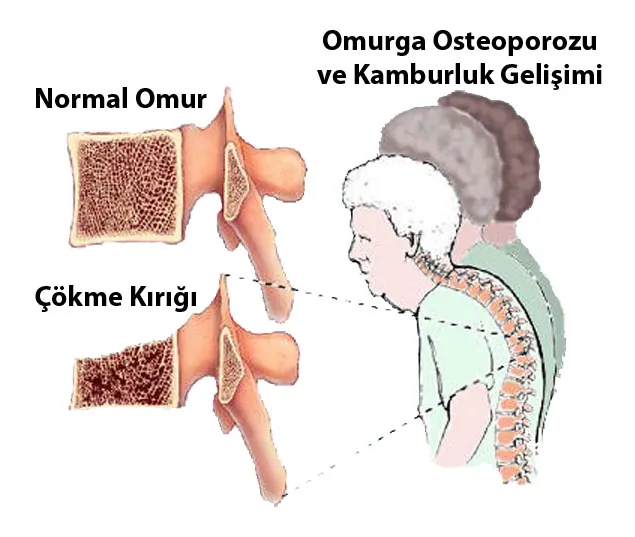
Treatment of osteoporosis
The aim of treatment is first to preserve or, if possible, increase existing bone mass, to prevent fractures and to treat any that occur. Good nutrition and regular exercise are essential to keep your bones healthy throughout life. In addition, depending on the measured degree of bone loss, your doctor will prescribe medication that prevents bone loss.
Measures to prevent bone loss and reduce fracture risk
- Get enough calcium and vitamin D
- Do not smoke
- Avoid sudden weight loss
- Exercise regularly
- Do not drink alcohol
- Wear suitable, non-slip shoes
- Poor eyesight causes trips and falls, so have your eyes examined and wear prescription glasses
- Remove tripping hazards at home (toys, electric cables, etc.)
- When taking sleeping pills or sedatives, go out with someone, as weakness or inattention may make you fall.
- Talk to your doctor and adjust your lifestyle and diet
The information on this page is for general information only and does not replace an examination and diagnosis.